
Most homeowners think refinancing only makes sense when interest rates fall by 0.50%–1.00%. That rule of thumb used to make sense — but in today’s world of higher loan balances, volatile markets, and more competitive lender pricing, even a 0.25% rate drop can create meaningful savings.
The real question isn’t whether 0.25% is enough.
It’s whether that 0.25% saves you more than the cost of refinancing — and how quickly you reach your break-even point.
In this guide, you’ll learn exactly when a quarter-point drop is worth it, how to calculate the savings, examples for different loan sizes, and how to use Fincast to confirm whether your 0.25% improvement is truly a smart move.
Key Takeaways
A 0.25% rate drop may save roughly $50–$80 per month for every $400,000 borrowed on a typical 30-year loan, depending on the starting rate
Whether it’s worth refinancing depends on your closing costs and break-even point
The larger your loan balance, the more valuable a 0.25% drop becomes
Low-cost or no-cost refinances make small rate drops more attractive
Always compare lenders — pricing differences often exceed 0.25% on their own
How Much Does a 0.25% Rate Drop Really Save You?
A quarter-point drop in interest rates affects your payment more than most homeowners expect.
Here’s how it plays out for different loan sizes:
30-Year Fixed Mortgage Savings (0.25% Drop)
Loan Amount | Old Rate | New Rate | Monthly Savings |
$300,000 | 6.50% | 6.25% | ~$50–$55/mo |
$400,000 | 6.50% | 6.25% | ~$66/mo |
$600,000 | 6.50% | 6.25% | ~$100/mo |
$800,000 | 6.50% | 6.25% | ~$135/mo |
Small rate drop + large loan = meaningful savings.
Over time:
$66/month = $792/year
Over 5 years = $3,960
Over 10 years = $7,920
It adds up quickly — if the refinance cost is low enough.
How to Know if 0.25% Is Enough: Break-Even Formula
Use the standard break-even calculation:
Break-Even (Months) = Refinance Costs ÷ Monthly Savings
Let’s look at real examples.
Example 1 — Traditional Refinance
Loan amount: $400,000
Rate drop: 0.25%
Monthly savings: $66
Refinance costs: $6,000
Break-even = 6,000 ÷ 66 = ~91 months (~7.5 years)
Verdict:
Typically not worth it unless you plan to stay for a very long time.
Example 2 — Low-Cost Refinance
Refinance costs: $3,000
Monthly savings: $66
Break-even = 3,000 ÷ 66 = ~45 months (~3.7 years)
Verdict:
Good if you’ll stay 4+ years.
Example 3 — No-Cost Refinance
No-cost refinances raise your rate slightly, but lower the upfront cost.
Refinance costs: $0
Monthly savings: $55–$60
Break-even = Immediate
Verdict:
Even small rate improvements may make sense with a true no-cost refinance, because there is little or no upfront expense to recover.
Important:
Keep in mind that refinancing resets your loan terms. If you refinance into a new 30-year mortgage after several years of payments, you may extend the total time you’re in debt unless you choose a shorter term.
When a 0.25% Rate Drop May be Worth Refinancing
✔️ You Have a Large Loan Balance
Savings scale with loan size.
$600K+ balances often break even fast.
✔️ You Can Get Low or No-Cost Pricing
Lenders sometimes waive fees or offer lender credits.
✔️ Rates Are Trending Down
You can lock lower and refinance again later if needed.
✔️ You Plan to Stay in the Home 5+ Years
Plenty of time to recoup costs.
✔️ The Refinance Removes PMI
Dropping PMI + small rate drop = major combined savings.
✔️ You Can Shorten Your Term
If you’re moving from 30 → 25 or 30 → 20 years, the lower rate enhances long-term savings.
When a 0.25% Rate Drop Is Not Worth It
❌ Closing costs are too high
If total refinance costs are very high (often thousands of dollars), the break-even point can stretch many years into the future.
❌ You might move within 2–3 years
Not enough time to recoup costs.
❌ Lenders require expensive points
A low rate that requires $6,000–$10,000 in points kills ROI.
❌ You expect rates to fall further
Waiting may produce a bigger savings opportunity.
❌ You’re doing a cash-out refinance
Cash-out pricing is higher, reducing the savings from small rate changes.
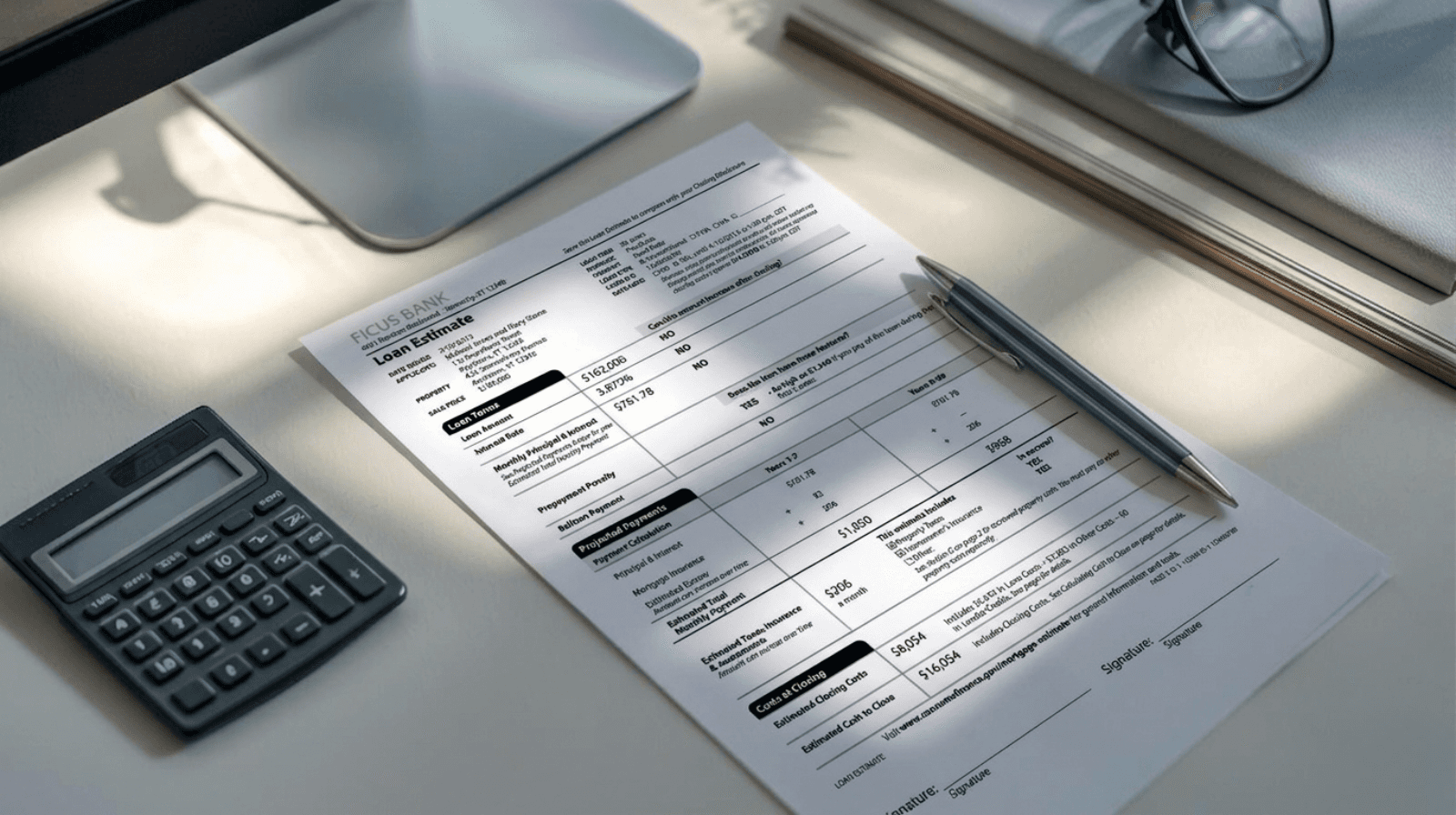
💡 Pro Tip: Before assuming your 0.25% drop “isn’t enough,” upload your Loan Estimate to Fincast. The platform breaks down your total savings, helps identify potential fee differences or pricing variations, and shows whether vetted lenders may be able to offer more competitive pricing — no extra credit pull and no spam.
The Bigger Truth: Lender Differences Often Exceed 0.25%
One lender may quote:
6.375% with no points
Another quotes:
6.125% with no points
That’s a 0.25% difference without waiting for the market to drop.
This is why comparing lenders matters more than chasing market changes. In many cases, the difference between lenders can equal 0.25% -- 0.50% in effective rate or thousands in upfront costs, even on the same day in the same market. That means some homeowners can achieve the equivalent of a 0.25% market drop simply by comparing lenders.
Real Example: Comparing Lenders Is More Valuable Than Rate Timing
Borrower A: Stays with their original lender — gets 6.375%.
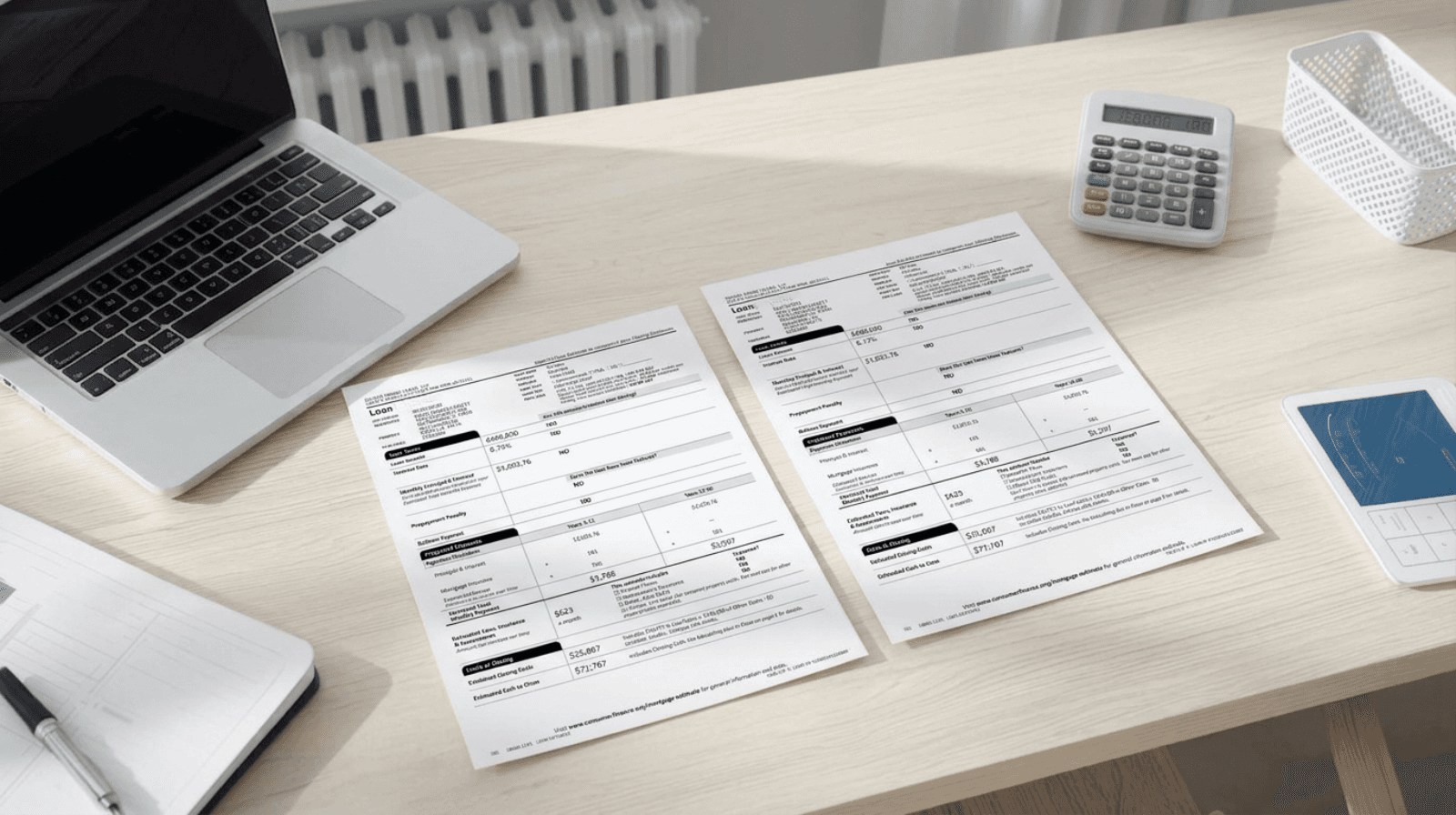
Borrower B: Uploads their LE to Fincast — gets competitive bids at 6.125%.
Better offer wins:
~$66/mo saved
~$800/year
~$4,000 over 5 years
Same loan.
Same market.
Different lender pricing.
Rates are for illustrative purposes only and do not constitute a real loan offer.
How Fincast Helps You Evaluate Your 0.25% Rate Drop
Fincast helps homeowners determine whether a small rate improvement actually makes financial sense.
1. Upload your Loan Estimate
No new application
No spam or sales calls
Typically, no additional hard credit pull
2. Analyze the true cost of refinancing
Fincast helps you evaluate:
• Monthly savings
• Rate vs. APR differences
• Points and lender credits
• Estimated break-even timeline
• Total loan cost comparisons
3. Lenders may submit competing offers
Some lenders may offer:
• Lower rates
• Fewer points
• Different cost structures
4. Decide based on the math
You can determine whether a 0.25% drop in interest rates actually improves your financial position.
FAQs: 0.25% Rate Drop Refinancing
Is a 0.25% rate reduction worth it?
Sometimes — especially with large balances or low/no-cost refinancing.
How long does a 0.25% drop take to break even?
Typically 3–8 years, depending on closing costs and loan size.
What loan sizes benefit most?
$400K–$1M+ balances see the highest savings.
Is it better to wait for a bigger drop?
Not always — markets are unpredictable, and lender differences can exceed 0.25%.
Should I refinance again if rates drop further?
If costs are low, serial refinancing (“refi laddering”) can make sense.
Bottom Line
A 0.25% drop may not sound exciting, but for many homeowners — especially those with higher loan balances — it can absolutely be worth refinancing. The key is your break-even point, your closing costs, and whether your lender is giving you a competitive offer.
Don’t guess. Don’t assume.
Let the math (and the market competition) decide for you.
That’s where Fincast comes in.
Action Checklist
☑️ Calculate your monthly savings from a 0.25% drop
☑️ Estimate your refinance closing costs
☑️ Compute your break-even point
☑️ Consider low-cost or no-cost refinance options
☑️ Compare point requirements across lenders
☑️ Upload your Loan Estimate to Fincast
☑️ See if vetted lenders can beat your rate by 0.25% or more
☑️ Refinance only if the math makes sense
👉 Before refinancing for a small rate drop, make sure the numbers truly work in your favor. Upload your Loan Estimate to Fincast and see whether vetted lenders can offer better pricing — no sales calls, no spam, and typically no additional credit pulls.
Disclaimer: Nothing in this content should be considered financial advice. The examples and data shared are for general information only and may not reflect your personal situation. We do not guarantee the accuracy or completeness of the information provided. Always do your own research and speak with a qualified financial advisor before making any financial decisions.
Ready to Save On Your New Mortgage?