
Mortgage rates can rise or fall daily — sometimes multiple times within the same day. That volatility creates the biggest stress point for homeowners refinancing:
“What if rates go up before my loan closes?”
That’s where a rate lock comes in. A rate lock protects you from market swings by guaranteeing your interest rate for a set period of time — typically 30, 45, or 60 days. But many homeowners misunderstand how rate locks work, when to lock, whether locking too early or too late costs money, and how lenders use lock periods to influence pricing.
This guide explains what a rate lock is, how it works, how to choose the best lock period, what happens if rates change, and how to use Fincast to compare lender pricing before locking in.
Key Takeaways
A rate lock guarantees your interest rate for a set period during your refinance
Standard lock periods are 30, 45, 60, or 90 days
Longer locks cost more — directly or through baked-in pricing
If rates rise after locking, you’re protected; if rates drop, your options depend on your lender
Lock timing affects your costs, closing timeline, and negotiating leverage
Compare offers before locking — because locking early can trap you in a bad quote.
What Is a Rate Lock?
When you receive a rate quote, you're initially 'floating' — your rate isn't guaranteed yet. You choose when to lock.
A rate lock is a lender agreement that guarantees your interest rate, even if the market changes before closing.
When you lock your rate:
Your interest rate is frozen
Your points and lender credits are locked
Your pricing cannot increase due to market shifts
The lock lasts for a set amount of time — long enough for you to complete the refinance.
Common Rate Lock Periods (and What They Cost)
Lenders typically offer:
Lock Length | Common Use | Cost Impact |
30-Day | Fast refinances | Lowest cost |
45-Day | Standard for most refinances | Slight cost increase |
60-Day | Complex files, busy markets | Higher cost |
90+ Days | Rare, used for construction or long underwriting | Most expensive |
Why longer locks cost more:
Lenders take on more rate risk
They hedge that risk by charging more upfront or increasing your rate
Many lenders bake the lock cost into your rate — without telling you.
How Rate Locks Actually Work
Once you lock:
Your rate stays fixed through closing
Your loan must close before the lock expires
If underwriting or appraisal delays occur, you may need a lock extension
Lock extensions cost money — sometimes hundreds of dollars.
Always get your rate lock confirmed in writing — a verbal lock is not binding.
Should You Lock Early or Wait?
Lock timing is one of the biggest strategic decisions in a refinance.
✔️ Lock Early If:
Rates have been rising
You’re happy with the quoted rate
Your closing timeline is predictable
You want certainty and peace of mind
You can afford a 45-day lock to be safe
✔️ Wait to Lock If:
Rates have been stable or falling
You’re still comparing lenders
You haven’t received your final Loan Estimate
You’re not ready to commit to a lender
But waiting is a gamble — rates can jump within hours.
What Happens If Rates Change After You Lock?
If Rates Go Up:
Good news — your rate stays the same. You’re protected.
If Rates Go Down:
It depends on your lender:
✔️ Some lenders allow a “float-down” option
Usually available only once
Thresholds vary by lender — ask specifically what market movement qualifies
May require a fee or rate adjustment
✔️ Others do NOT allow float-downs at all
Your locked rate stays your rate, even if the market improves.
✔️ Some require a full lock cancellation and re-lock
This can add cost or delay the loan.
The key: Always ask about float-down options before locking.
Rate Lock Examples: What You Actually Pay
Scenario: $400,000 refinance
Lock Period | Rate | Notes |
30-Day Lock | 6.125% | Lowest pricing |
45-Day Lock | 6.25% | Slight pricing increase |
60-Day Lock | 6.375% | Higher due to longer lock |
Lock Extension | +0.125% or $300–$900 | If closing delays |
Lenders charge for extensions either as a flat fee ($300–$900 typically) or as a rate adjustment of 0.125%–0.25% — ask your lender which method they use.
The difference between a 30-day and 60-day lock can cost hundreds up front or thousands over time.
This is why comparing lenders before locking matters.
Rates shown are illustrative — actual lock pricing varies by lender and market conditions.
How Rate Locks Influence Your Break-Even Point
Every lock has cost implications:
The longer the lock → the higher the fees
Higher fees → longer break-even
Unexpected lock extensions → even longer break-even
Example:
A 45-day lock increases your rate by 0.125%
This increases your payment by ~$32/month
Over just 5 years, that’s ~$1,900 more
If you're choosing between a 30-day and 45-day lock, factor that cost difference into your total refinance savings calculation.
How to Choose the Right Lock Period
1. Know your timeline
Ask your lender:
“How long does your average refinance take right now?”
2. Buffer for delays
If the lender says 30 days, choose a 45-day lock.
3. Account for appraisal timing
Appraisals cause the longest delays.
4. Compare lock pricing across lenders
Some lenders offer cheaper 45-day locks than others.
5. Confirm float-down policies
A float-down can save you thousands if rates drop.
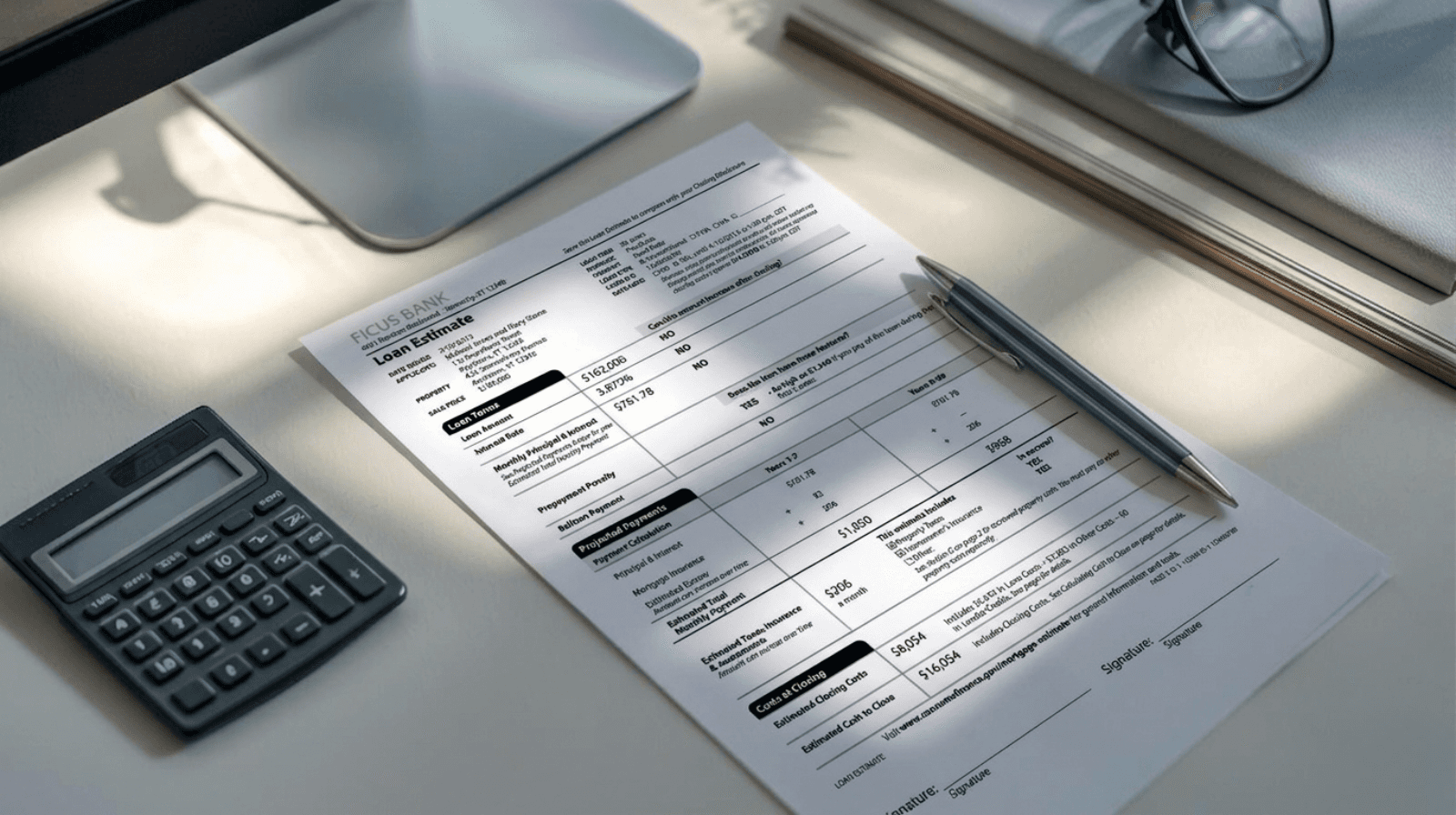
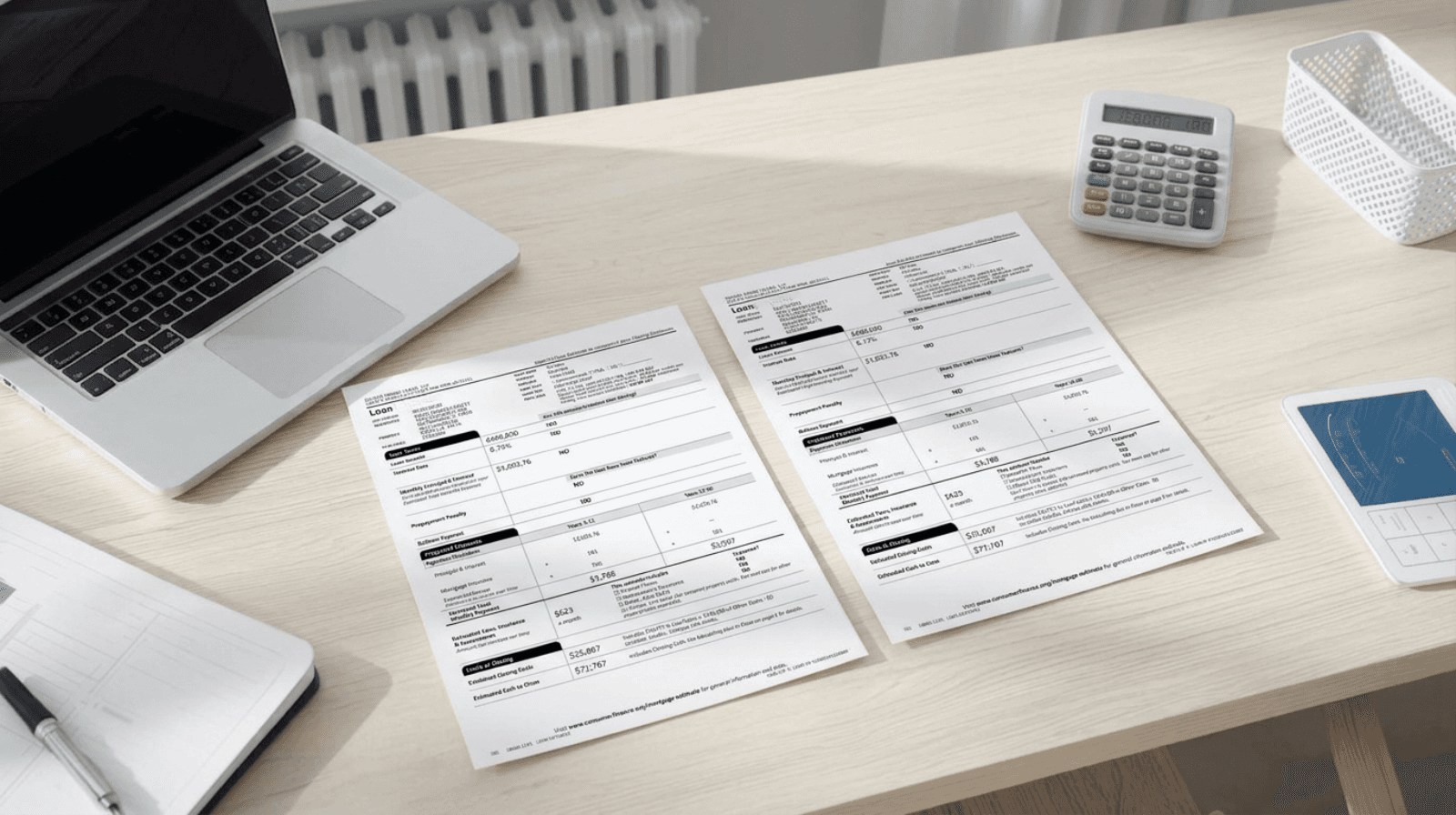
💡 Pro Tip: Before locking your refinance rate, upload your Loan Estimate to Fincast. You can benchmark your offer, see if it’s truly competitive, and let vetted lenders submit competing offers— no extra credit pull, no spam.
The Biggest Rate Lock Mistakes Homeowners Make
❌ Locking before comparing lenders
You lose leverage once you lock.
❌ Choosing the shortest lock just to save $100–$200
Then paying $900+ for a lock extension later.
❌ Not asking about float-down options
Missing out on savings if rates drop.
❌ Waiting too long to lock in a rising-rate environment
In volatile markets, rates can move 0.25%–0.50% or more within days.
❌ Not checking if points are tied to a lock period
Some lenders require points to lock in lower rates.
How Fincast Helps You Get Competitive Rates
Fincast eliminates the guesswork around lock timing and pricing.
1. Upload your Loan Estimate
No application required.
No extra credit pull.
No spam.
2. Fincast analyzes your rate and lock pricing
Most homeowners lock their rate without ever knowing if it was competitive. Fincast changes that — in minutes, you see exactly where your offer stands and whether a better deal exists.
3. You see if vetted lenders can offer better pricing
They sharpen pricing privately — you stay hidden.
4. You lock in the most competitive rate with confidence
If your lender’s quote is fair, Fincast confirms it.
If not, you may find significantly better options.
FAQs: Rate Locks & Refinancing
How long should I lock my refinance rate?
Most homeowners choose 45 days to balance cost and buffer for typical closing timelines.
Are rate locks free?
Not always. Some lenders charge directly; others bake the cost into your rate.
Can I change lenders after locking?
Yes, but you’ll need a new lock with the new lender and will forfeit any lock fees you paid to the original lender.
What happens if my lock expires?
You may need to pay for an extension or accept higher market pricing.
Can I unlock and re-lock if rates drop?
Only if your lender offers a float-down option.
Bottom Line
A rate lock protects you from rising rates — but locking at the wrong time, for the wrong length, or with the wrong lender can cost far more than you expect.
Because lock pricing, float-down policies, and lender timelines vary widely, comparing your refinance offer before locking is essential.
Most homeowners lock before comparing — and never know what they left on the table. Fincast takes five minutes and costs nothing. The question isn't whether it's worth doing — it's whether you can afford not to.
👉 Ready to make sure you’re locking in the best possible rate? Upload your Loan Estimate to Fincast, where vetted lenders see if they can offer better deals — no sales calls, no spam, and no extra credit pulls.
Rate lock terms, fees, and policies vary by lender and may be subject to state regulations. Always review your Loan Estimate and lock agreement carefully.
Rate lock illustration with mortgage charts, calendar, and lock icon showing refinance timing decision.
Disclaimer: Nothing in this content should be considered financial advice. The examples and data shared are for general information only and may not reflect your personal situation. We do not guarantee the accuracy or completeness of the information provided. Always do your own research and speak with a qualified financial advisor before making any financial decisions.
Ready to Save On Your New Mortgage?