If you’re building equity to refinance, the last thing you want is to overpay once you qualify. Building home equity is one of the smartest financial moves a homeowner can make — and it’s especially important before refinancing. More home equity unlocks lower rates, removes PMI, improves your loan options, increases your approval odds, and may save you thousands over the life of your loan.
Short answer:
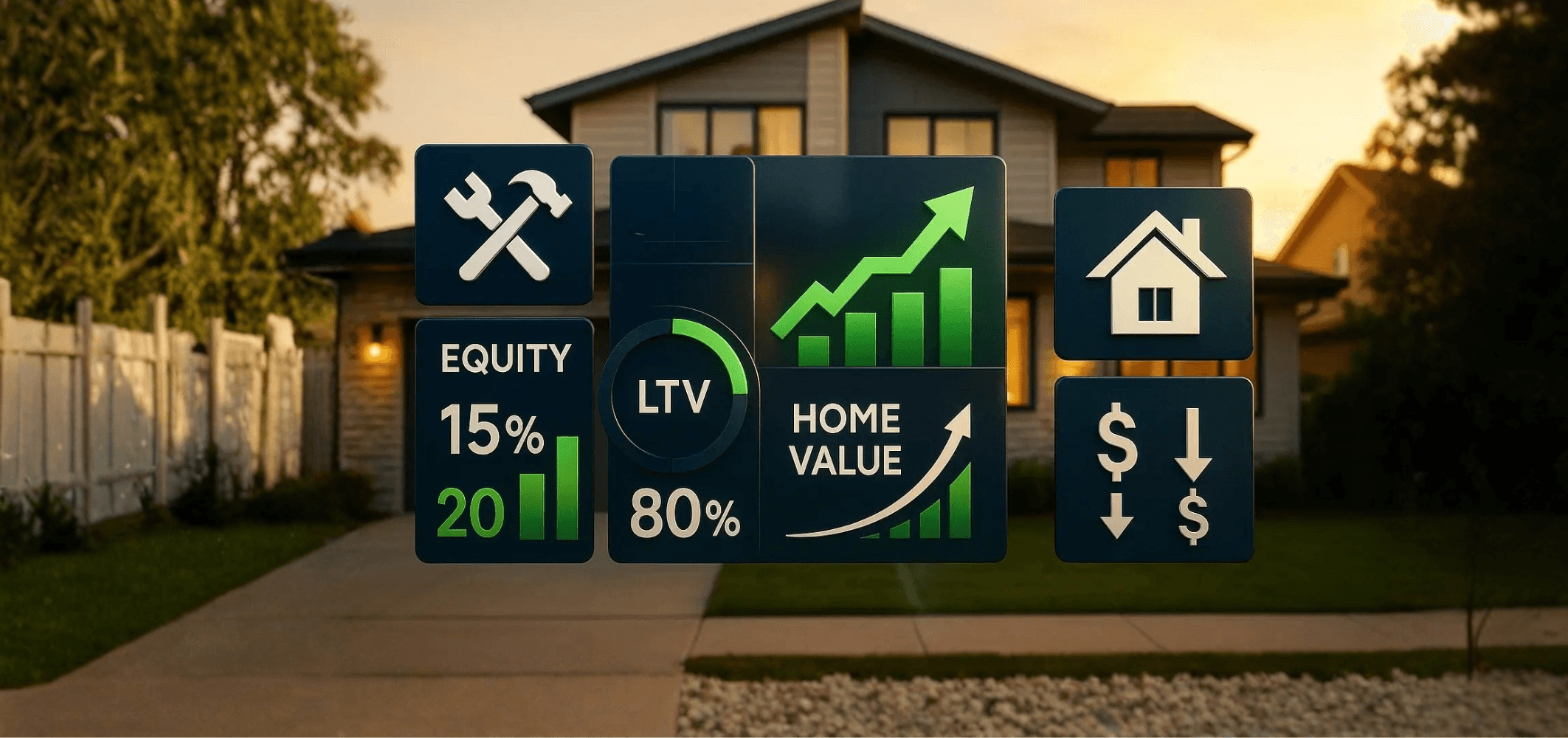
You can build equity faster by increasing your home’s value (appreciation + improvements) and reducing your loan balance (extra payments + restructuring). Even small equity jumps — from 15% to 20% (80% to 75% LTV) — can significantly improve refinance pricing and terms.
This guide explains the fastest, most effective ways to increase your equity before refinancing, how much each strategy typically helps, and how to calculate the equity you need for your refinance goals.
Key Takeaways
You build equity in two ways: reducing your loan balance and increasing your home’s value
Even small improvements can raise appraisal value and shift your LTV into a better pricing tier
Making targeted extra principal payments can shave months or years off your LTV timeline
To remove PMI, you typically need 20% equity (80% LTV)
Cash-out refinances usually require 20–25% equity after closing
💡 Pro Tip: Pricing can vary significantly between lenders for the same loan. You work hard to build equity in your home, don’t give it back by accepting a loan offer that’s overpriced for today’s market.
How Equity Works in Refinancing
Home equity is the difference between what your home is worth and what you owe.
Home Equity = Home Value – Loan Balance
Lenders measure your equity by calculating your Loan-to-Value (LTV) ratio:
LTV = (Loan Amount ÷ Home Value) × 100
Lower LTV → more equity → potentially better refinance pricing
Example
Home value: $500,000
Loan balance: $425,000
LTV: 425,000 ÷ 500,000 = 85%
Equity: 15%
If you can reduce LTV to 80%, you may be eligible to remove PMI and unlock better rates.
Fastest Ways to Build Equity Before Refinancing
There are two paths:
Increase your home’s value
Decrease your loan balance
Both can move your LTV into a more favorable tier.
Let’s break down the fastest, most impactful strategies.
1. Make Extra Principal Payments
Every extra dollar paid toward principal immediately increases your equity.
Why it works
Reduces loan balance
Accelerates amortization
Lowers LTV
Can help you reach 80% LTV sooner
How much does it help
Even $3,000–$10,000 can move you into a better pricing tier.
Best strategies
Make one-time lump-sum payments
Add $100–$300/month to each payment
Apply tax refunds or bonuses to principal
Use a biweekly payment schedule to add an extra payment each year
Best for:
Borrowers close to key LTV thresholds (90% → 85% → 80%).
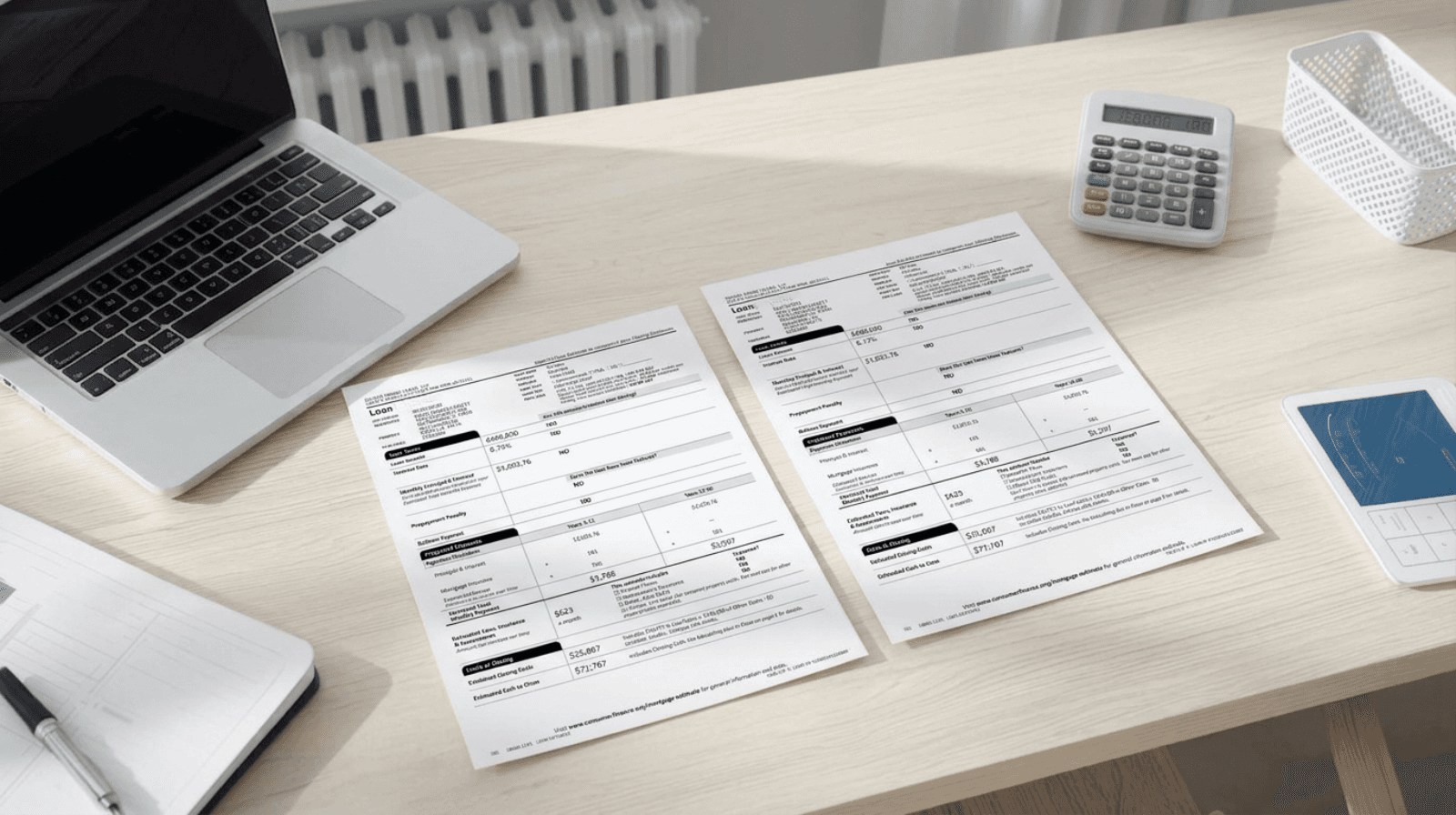
💡 Pro Tip: You just paid $5,000 extra to hit 80% LTV. Don't lose it to a 0.25% rate markup that shouldn't exist. Before signing, upload your Loan Estimate to Fincast to ensure you have a competitive offer.
2. Boost Your Appraisal Value With Small Home Improvements
A strong appraisal can instantly increase your equity without paying down your loan.
High-ROI, fast-impact improvements
✔ Fresh interior/exterior paint
✔ Landscaping & curb appeal upgrades
✔ Updated lighting & fixtures
✔ Deep cleaning & decluttering
✔ Minor kitchen or bath refresh (not a full remodel)
These small improvements often yield a 3–5x return on appraisal day (actual results vary by location, appraiser, and market trends).
Why it works
Appraisers heavily weigh:
First impressions
Cleanliness
Condition
Recent comparable sales
Best for:
Homeowners aiming to jump from 85% LTV to 80% (PMI removal zone).
💡 Pro Tip: You’ve spent months building equity. In 10 minutes, a bad refinance offer can erase those gains. Before you sign, verify your pricing matches your equity.
3. Leverage Comparable Sales (Comps) Before the Appraisal
Trusting your appraiser to get the most accurate and up-to-date comparable sales may be a mistake. Securing information yourself and comparing it to what the appraiser uses to come up with your appraised value may help make a difference.
Steps
Ask your real estate agent for a CMA (Comparative Market Analysis)
Gather comparable sales from the last 3–6 months
Choose homes with:
Provide these comps to your lender or appraiser
Why it works
Appraisers consider comps as the most important factor.
Stronger comps = higher appraised value = higher equity.
Best for:
Homeowners in appreciating neighborhoods.
4. Reassess Your Home’s Value During Fast Market Appreciation
Market conditions alone can raise your equity.
You may already have more equity than you think. If your area is experiencing:
Rising home prices
High demand
Low inventory
Recent high sale prices nearby
Check your equity using:
Zillow/Redfin estimates (starting point only)
Recent neighborhood sales
Comparative market analysis (CMA)
Automated valuation models (AVMs)
Conversations with real estate agents
Best for:
Homeowners who bought recently during a slower market.
5. Avoid Taking on New Liens or HELOCs
Do not open a home equity line of credit before refinancing — it increases:
Your loan balance
Your CLTV (combined LTV)
Your refinance costs
Your underwriting complexity
Avoid anything that increases your debt or reduces your equity position.
6. Pay Off High-Payment Debts First (Indirect Equity Boost)
This doesn’t increase equity directly — but it can help you qualify for better pricing.
Why?
Lenders adjust pricing and approvals based on your debt-to-income ratio.
Paying down any of the following can strengthen your refinance eligibility and rate options:
Car loans
Personal loans
Student loans
Credit cards
Best for:
Borrowers with a high DTI who are trying to qualify for lower rates.
7. Delay Cash-Out Requests Until You Build More Equity
Cash-out refinances require tighter equity limits.
If you’re close to qualifying but not there yet, wait until you reach:
80% LTV for conventional
80% LTV for FHA
80–90% LTV for VA (depending on lender)
70–75% LTV for jumbo
Waiting even a few months for appreciation or payments can boost your equity enough to qualify.
How Much Equity You Need to Refinance (By Goal)
Refinance Goal | Typical Equity Needed | Max Allowed LTV |
Lower your rate | 5–20% | 80–97% |
Remove PMI | 20% | 80% LTV |
Switch FHA → Conventional | 5–20% | 80–97% |
Cash-out refinance | 20–25% after closing | 75–80% |
Jumbo refinance | 20–30% | 70–80% |
Guidelines vary by lender and loan type.
How to Calculate How Much Equity You Have Now
Step 1: Estimate your home’s value
Use:
Recent comps
CMA
Appraiser estimates
Online valuation tools
Step 2: Find your loan payoff amount
This is on your monthly statement and is slightly higher than your balance.
Step 3: Calculate your equity
Home Value – Loan Payoff
Step 4: Convert to LTV
Loan Payoff ÷ Home Value × 100
This shows where you stand relative to refinance thresholds.
Where Fincast Fits In When Building Equity
Building equity is half the battle—getting competitive pricing is the other half. Fincast analyzes your Loan Estimate and shows you if better offers exist, without new applications or credit pulls. Upload yours in 2 minutes to see if your equity is being priced fairly.
How it works:
Upload your Loan Estimate
Fincast analyzes your offer
Vetted lenders anonymously compete to beat your deal
You choose the best offer
Building equity gives you leverage — Fincast helps you use it.
FAQs: Building Equity Before Refinancing
1. What is the fastest way to build equity?
Extra principal payments and minor upgrades that increase appraisal value can help you build equity in certain markets.
2. How much equity do I need to remove PMI?
Many lenders require 20% equity (80% LTV) to approve a request to remove PMI. Otherwise PMI falls off (by law) at 78% LTV.
3. Can small home improvements raise my appraisal value?
In some markets, small improvements are all you need to increase appraisal value, especially curb appeal, paint, lighting, and cleaning.
4. How long does it take to build 5% more equity?
It can take 6–18 months through a combination of payments and appreciation, but the exact timeline depends on your personal situation and the current market trends.
5. Should I wait for my home value to rise before refinancing?
If you’re close to 80% LTV, waiting 1–6 months may significantly improve pricing.
6. Does paying extra toward principal really help?
Yes — even small lump-sum payments may move you into better rate tiers.
Bottom Line
Building equity before refinancing can save you thousands in PMI, interest, and lifetime loan costs. Whether through extra payments, strategic home improvements, or leveraging appreciation, increasing your equity strengthens your refinance options and pricing.
But even with strong equity, lenders price refinances differently — making comparison essential.
👉Building equity takes months. Verifying your rate takes minutes. Upload your Loan Estimate to see if your equity is working for you—or your lender.
This blog is for educational purposes only. Consult a licensed mortgage professional regarding your personal situation.
Build equity fast in 2026 with forced appreciation and principal paydown. Learn how a 3% value boost can remove PMI and unlock 6.12% refinance rates.
Disclaimer: Nothing in this content should be considered financial advice. The examples and data shared are for general information only and may not reflect your personal situation. We do not guarantee the accuracy or completeness of the information provided. Always do your own research and speak with a qualified financial advisor before making any financial decisions.
Ready to Save On Your New Mortgage?