
Maybe your interest rate isn’t as low as you hoped. Maybe rates have dropped since you closed. Or maybe you want to remove PMI, tap equity, or switch loan types. No matter the reason, many homeowners ask the same question shortly after buying a home:
“How soon can I refinance after buying a home?”
The answer depends on your loan type, refinance purpose, and whether you’re doing a traditional refinance or a streamline program. In some cases, you can refinance almost immediately. In others, you’ll need to wait 6–12 months.
This guide breaks down all waiting periods, what lenders look for, and how to know when to refinance.
Key Takeaways
✅ Most conventional refinances allow you to apply immediately, but many lenders prefer at least 6 months of payment history
✅ FHA, VA, and USDA loans have specific waiting periods (often 6–12 months)
✅ Cash-out refinances almost always require a 6-month waiting period
✅ You must be current on your mortgage and show a stable payment history
Why Waiting Periods Exist
Refinancing changes your loan terms, rate, and the lender's risk factors. Waiting periods protect lenders from:
Rapid, repeated refinances
Market speculation
Unverified value increases
Insufficient payment history
These rules also help make sure you’re refinancing for the right financial reasons — not because of short-term fluctuations.
How Soon Can You Refinance? Loan-by-Loan Breakdown
The timeline varies significantly depending on your loan type and the kind of refinance you want (rate-and-term vs. cash-out).
1. Conventional Loan Refinance Waiting Periods
Conventional loans offer the most flexibility.
Rate-and-Term Refinance
Conventional rate-and-term refinances technically have no universal waiting period, but most lenders prefer at least one payment cycle and often 6 months of payment history.
Cash-Out Refinance
Conventional cash-out refinance loans typically require at least 6 months of ownership, a full appraisal, and strong equity (leaving 20% in the home).
Some lenders require 12 months if you acquired the property with unconventional financing.
💡 Pro Tip: If rates drop rapidly, many homeowners refinance their conventional loans within the first 3–6 months — but payment history must be spotless.
2. FHA Refinance Waiting Periods
FHA has more structured rules.
FHA Streamline Refinance
FHA streamline refinances require at least 6 payments and 210 days since closing.o
In many cases, some lenders don’t require an appraisal or income verification.
FHA Rate-and-Term Refinance
FHA rate-and-term refinances often require at least 6 months of payment history with the existing loan, depending on lender overlays.
FHA Cash-Out Refinance
FHA cash-out refinances require that you own the home for a full 12 months. A full appraisal is typically required, and you must have significant equity.
3. VA Refinance Waiting Periods
VA loans offer some of the fastest refinancing options.
VA IRRRL (Streamline Refinance)
The VA IRRRL program requires that 210 days have passed since your first mortgage payment, and you’ve made at least 6 payments. You must also prove you are lowering your rate or improving your loan terms.
VA Cash-Out Refinance
Most lenders require at least 210 days from the first payment and 6 payments, similar to other VA refinance programs.
4. USDA Refinance waiting periods
USDA has two common refinance paths.
USDA Streamlined Assist
The USDA Streamlined Assist program requires that you have made 12 months of on-time payments, and you must still meet USDA occupancy requirements.
USDA Non-Streamlined Refinance
The USDA non-streamlined refinance usually requires a year of payment history, full underwriting, and an appraisal is required.
5. Jumbo Loan Refinance Waiting Periods
Jumbo loans (above conforming limits) typically follow stricter rules. Most lenders require 6–12 months of on-time payments along with strong documentation, reserves, and an appraisal. Cash-out jumbo refinances may require even longer seasoning
Quick Reference Table: Refinance Waiting Periods
Loan Type | Rate-and-Term | Streamline | Cash-Out |
Conventional | 0–6 months recommended | N/A | 6 months |
FHA | 0–6 months | 210 days + 6 payments | 12 months |
VA | 0–6 months | 210 days + 6 payments | 6 months (typical) |
USDA | 12 months (typical) | 12 months | USDA programs generally do not allow traditional cash-out refinancing |
Jumbo | 6–12 months | N/A | 6–12+ months |
Other Refinance Eligibility Requirements
Even if you meet the waiting period, lenders still check:
1️⃣ Payment History
No 30-day lates in the last 6 months
Preferably no lates in the last 12 months
2️⃣ Credit Score
Minimums vary by loan type:
Conventional: ~620
FHA: ~580
VA: no set minimum, lenders prefer 600+
Jumbo: 680–700+
3️⃣ Debt-to-Income Ratio (DTI)
Most lenders prefer:
Under 43%–45%, though some allow up to 50%
Streamline refinances may not require updated DTI.
4️⃣ Home Equity
Loan-to-value (LTV) affects eligibility:
Conventional rate-and-term: up to 95% LTV
FHA: up to 97.75%
VA IRRRL: no appraisal required
Cash-out: typically capped at 75–80% LTV
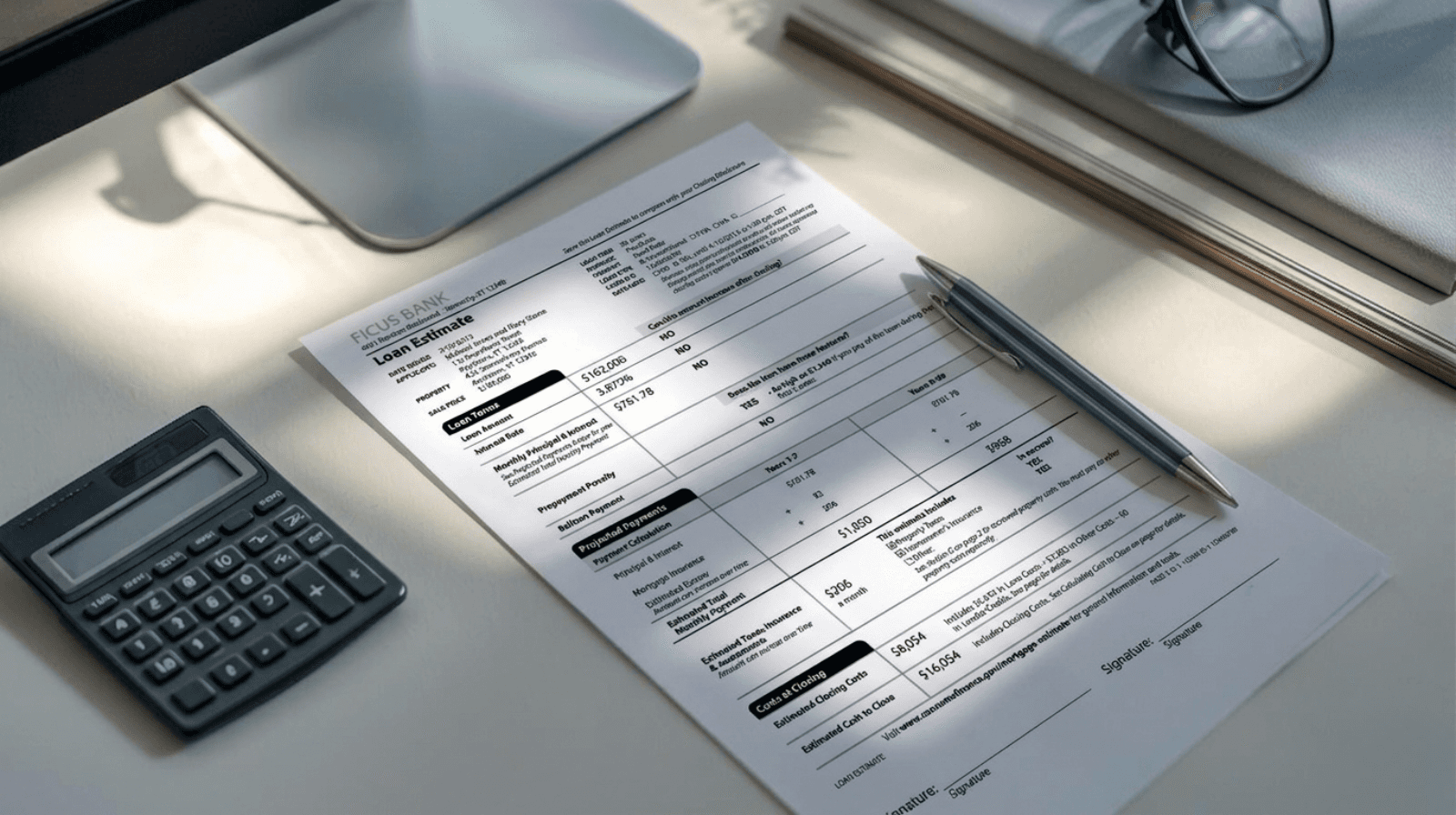
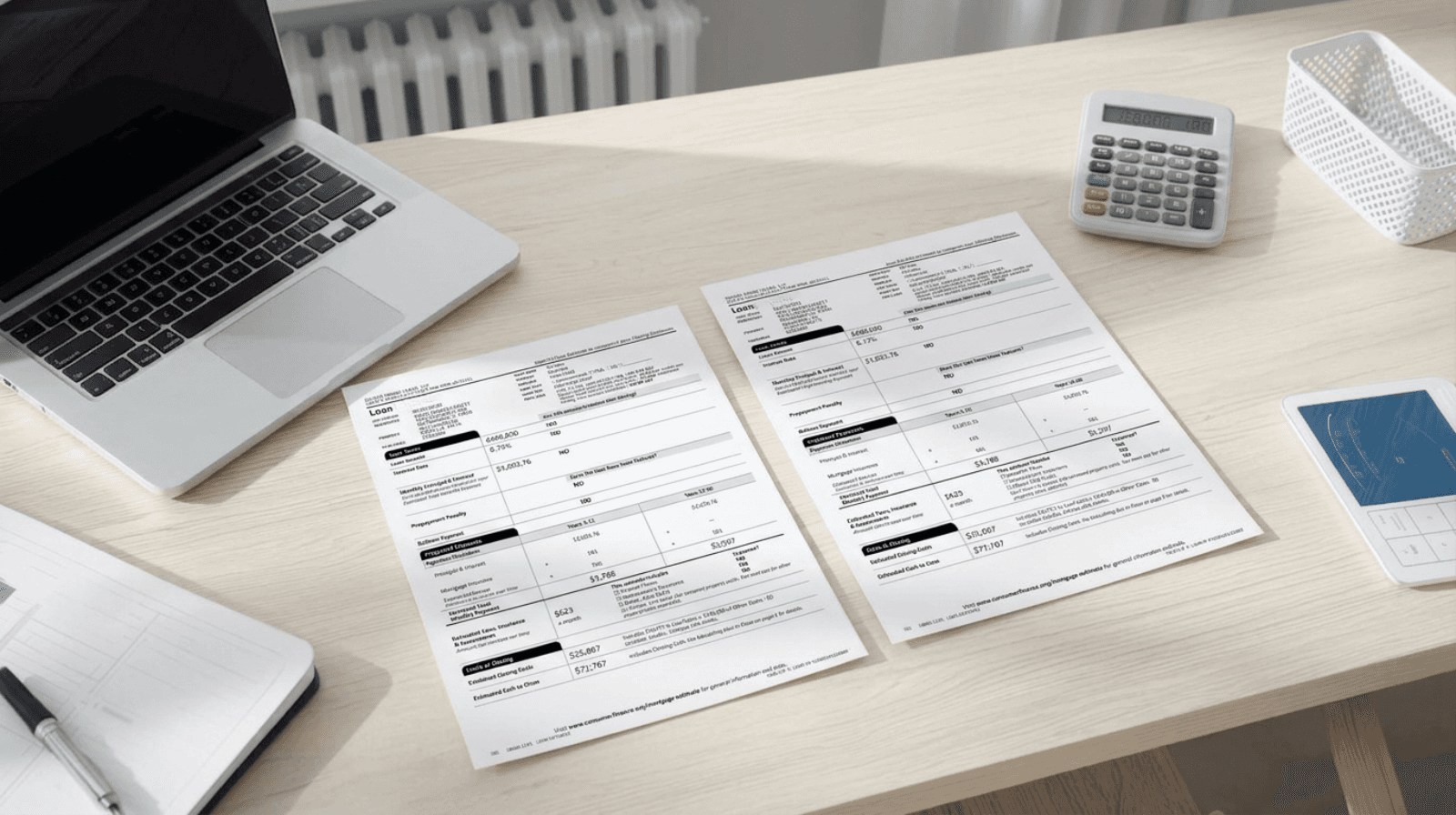
💡 Pro Tip: If you’ve already applied for a refinance, reviewing your Loan Estimate can reveal how your lender evaluated your timing, equity, and loan eligibility. Platforms like Fincast allow homeowners like you to securely upload your Loan Estimate and help you understand whether your lender’s refinance offer is competitive — or whether another lender may offer better terms.
Should You Refinance Immediately? Pros & Cons
Refinancing right after closing can be smart — but not always.
✔ Pros of Refinancing Early
Capture a lower interest rate
Remove PMI faster
Switch out of an unfavorable loan type
Lock in a fixed rate if you have an ARM
Improve monthly cash flow
✔ Cons of Refinancing Too Soon
Closing costs may outweigh savings
Limited payment history could reduce approval odds
Home value may not have increased yet
Appraisal waivers may be less likely
💡Pro tip: If you’re comparing refinance options after recently purchasing your home, carefully reviewing your Loan Estimate can help you understand whether your lender’s pricing reflects your current loan seasoning and equity position.
When It Is Worth Refinancing Early
Consider refinancing sooner if:
Rates drop sharply
You originally took an FHA loan and want to remove PMI
You improved your credit significantly
Your ARM rate is rising
Your current loan has unfavorable terms
When You Should Wait Longer
Waiting pays off if:
You need more time to build equity
You had a recent late payment
Your credit score is temporarily low
You want to avoid paying closing costs twice in one year
FAQs
1. Can I refinance immediately after closing?
It may be possible, but most lenders prefer 6 months of payment history.
2. Why do FHA and VA require 210 days for streamline refinances?
To ensure borrowers have time to benefit from their original loan before switching.
3. Can I refinance before making my first payment?
Technically, yes, for some conventional rate-and-term refinances, but approval is harder without a payment history.
4. How soon can I cash out refinance?
Typically, 6 months for conventional and VA loans, and 12 months for FHA loans.
5. Does refinancing early hurt my credit?
Only the inquiry slightly affects your score; payment history and credit mix matter more in the long term.
Bottom Line
How soon you can refinance depends on your loan type, your goals, and how long you’ve owned the home. While some borrowers can refinance almost immediately, others must wait 6–12 months before they become eligible — especially for cash-out or streamline programs.
The right timing can help you lower your monthly payment, reduce your rate, or access equity more efficiently.
If you’re considering refinancing shortly after buying your home, reviewing your Loan Estimate can help clarify how lenders are evaluating your loan seasoning, equity, and eligibility.
You can securely upload your Loan Estimate to Fincast, where it’s analyzed to help you see whether your refinance offer is competitive and aligned with your current financial profile.
It’s free, private, and designed to give homeowners clearer insight into their refinance options — without pressure or spam.
Disclaimer: Nothing in this content should be considered financial advice. The examples and data shared are for general information only and may not reflect your personal situation. We do not guarantee the accuracy or completeness of the information provided. Always do your own research and speak with a qualified financial advisor before making any financial decisions.
Ready to Save On Your New Mortgage?