
If you earn around $110,000 per year, you’re already in a strong financial position — and refinancing your mortgage could help you lower your monthly payment, reduce your interest rate, drop PMI, shorten your loan term, or tap into home equity.
But even with a six-figure income, many homeowners still ask:
👉 Is a $110K salary enough to refinance?
👉 How much home can I refinance with this income?
👉 What other factors matter besides my salary?
Here’s the straightforward answer:
A $110K salary may qualify you for many refinance programs, including conventional, FHA, VA, and even some jumbo loans.
But income is only one piece of the puzzle. Lenders weigh your debt-to-income ratio (DTI), credit score, home equity, and overall financial profile to determine approval and pricing.
This guide breaks everything down: what lenders expect, which refinance options work best, and how to get the most suitable offer.
Key Takeaways
✅ A $110K salary may qualify you for many refinance programs — including conventional, FHA, VA, and some jumbo programs
✅ Lenders focus more on DTI, credit score, and equity than income alone
✅ Excellent credit makes a bigger impact than income when it comes to lowering your rate
How Much Can You Refinance With a $110K Salary?
Lenders start by calculating your DTI ratio:
DTI = Total Monthly Debts ÷ Gross Monthly Income
With a $110K salary:
Gross monthly income ≈ $9,166
Lenders typically allow DTI between 36–45%, though some programs may allow higher depending on credit and compensating factors
That means your max total debt is $3,299–$4,124 per month
This includes:
Total mortgage payment (P&I, taxes, insurance)
PMI or MIP
Credit card minimums
Car loans
Student loans
Personal loans
💡 Pro Tip: When you earn around $110K, even a small rate shift — like 0.25% — can affect your monthly payment and qualifying power, particularly if your DTI is close to program limits. That’s why shopping lenders still matter, even at solid income levels.
Credit Score Requirements for Refinancing on a $110K Salary
Even with a six-figure income, your credit score impacts your refinance more than your salary.
Higher credit = lower rate = lower monthly payment.
Minimum scores lenders expect:
Loan Type | Minimum Score | Best Pricing |
Conventional | 620 | 740+ |
FHA | 580 | 680+ |
VA | 580–620 *VA loans do not have a set minimum score from VA, but most lenders require 580–620+. | 700+ |
Jumbo | 700+ (depending on the lender) | 740+ |
Even with high income:
A low credit score raises your rate
A high score may unlock competitive pricing
PMI costs vary significantly by credit
💡 Pro Tip: A small credit increase can save more monthly than earning an extra $10K per year.
How Much Equity Do You Need?
Equity is a key refinance factor:
Refinance Type | Minimum Equity Required |
Conventional rate-and-term | 5–20% |
Remove PMI on conventional | 20% |
FHA rate-and-term | ~3% |
FHA streamline | Equity verification may not be required |
VA IRRRL | Equity verification may not be required |
Cash-out refinance | 20%+ remaining |
💡 Pro Tip: If you have 20% equity, a conventional refinance can remove PMI and boost long-term savings.
Best Refinance Options for a $110K Salary
At this income level, you may qualify for many refinance options. Here are some popular options:
1️⃣ Conventional Rate-and-Term Refinance
Conventional loans are a popular option and are often best for borrowers with:
680+ credit (740+ for best pricing)
20% equity to eliminate PMI
Long-term plans to stay in the home
Benefits:
No upfront FHA mortgage insurance
PMI removable (with lender approval)
Competitive pricing for strong credit
Flexible loan terms
2️⃣ FHA Refinance (Including FHA Streamline)
FHA loans offer more flexibility than conventional loans and may be a good fit if you have:
Imperfect credit
Higher DTI
Homes with uncertain values
Benefits:
Flexible credit & debt guidelines
Fast approval
Great fallback if conventional isn’t ideal
3️⃣ VA IRRRL (if eligible)
If you are a veteran with a current VA loan, you may qualify for an IRRRL, which is a streamline refinance.
Benefits:
Appraisals may be optional, depending on the lender
Limited documentation requirements
Flexible credit score and DTI requirements
No PMI
4️⃣ Jumbo Refinance
If your loan balance exceeds the current conforming loan limit in your area, you may need a jumbo loan, which has stricter credit and reserve requirements.
Best for:
High-value homes
Loan amounts above conforming limits
Borrowers with strong credit (700+)
Benefits:
Potentially competitive rates
Access to portfolio lenders
5️⃣ Cash-Out Refinance
If you have over 20% equity in your home, you may be able to tap into it with a cash-out refinance if:
You maintain 20% equity
Your credit is strong
Your DTI fits within limits
Best for:
Renovation projects
Debt consolidation
Tuition
Investments
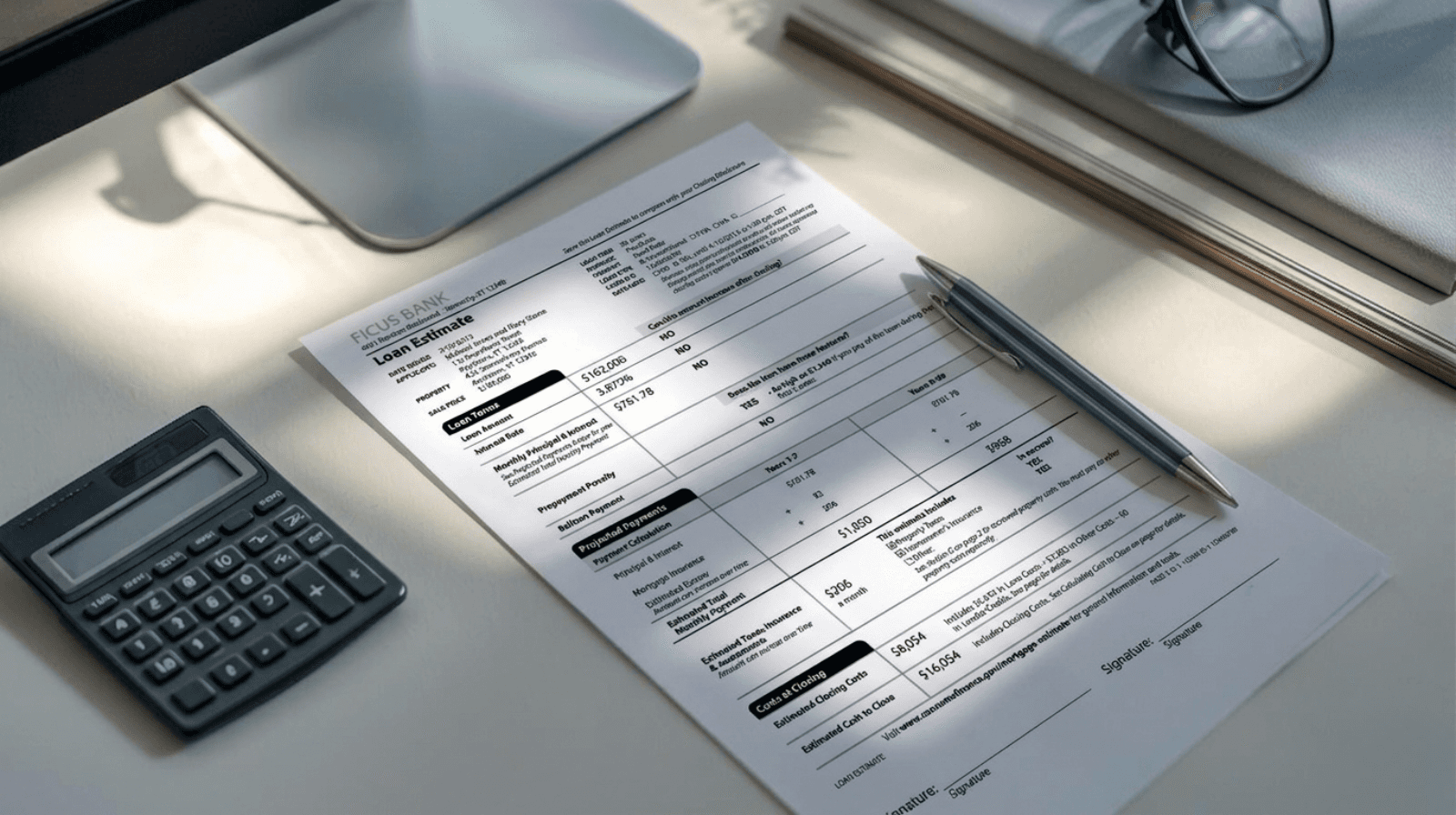
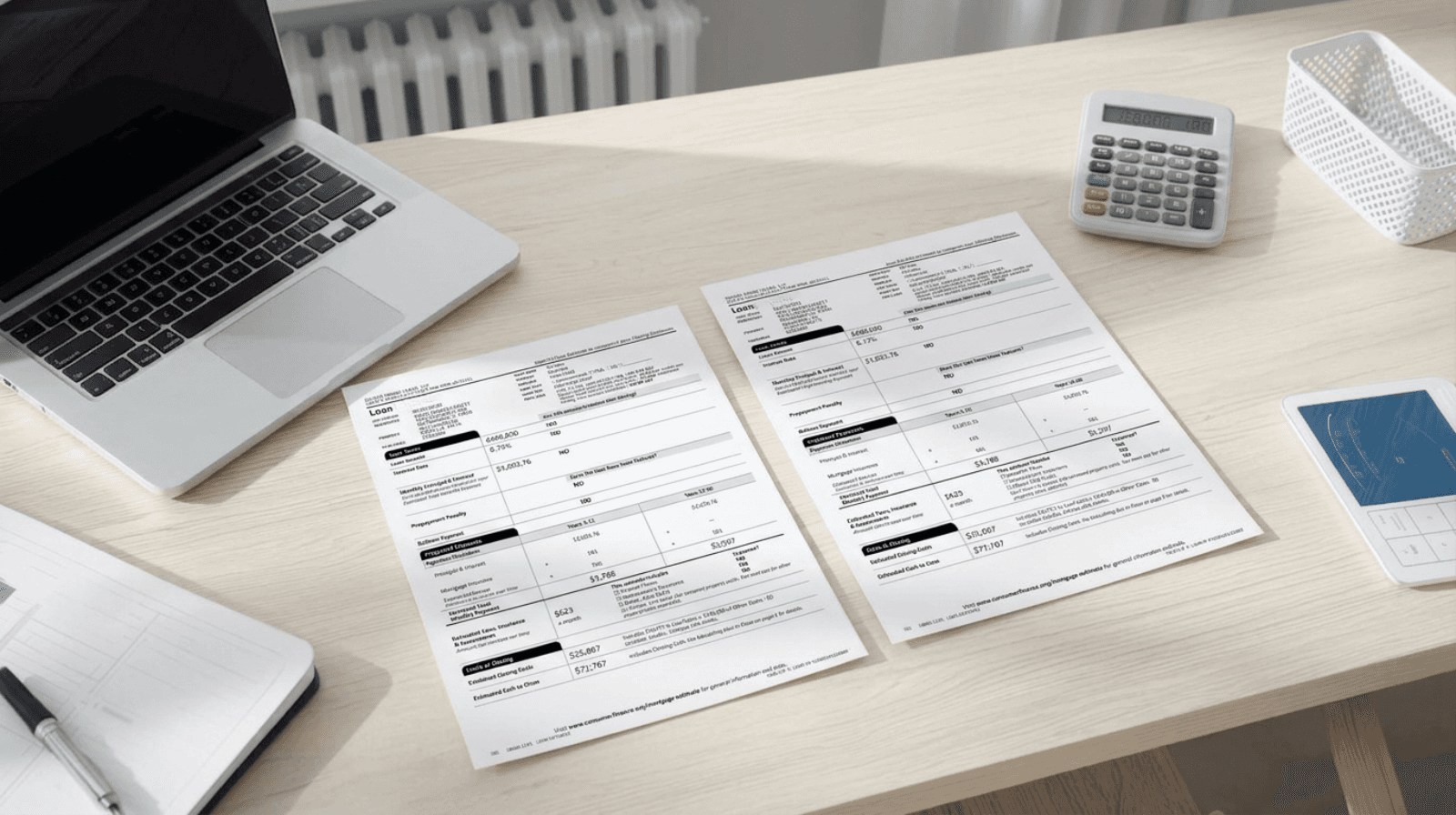
💡Pro Tip: Ready to see your options? After you apply for a loan with any lender, upload the Loan Estimate you receive to Fincast and let it handle the rest. No spam and no extra credit pulls.
How to Improve Your Refinance Approval Odds on a $110K Salary
Even with a high income, lenders still analyze your financial profile closely.
Here’s how to strengthen your application:
✔ 1. Lower Your DTI
Pay down:
Credit cards
Auto loans
Small personal loans
Every $100/month in reduced debt can boost your refinance potential.
✔ 2. Boost Your Credit Score
Before applying:
Keep credit utilization under 30%
Dispute report errors
Avoid new credit checks
Pay bills early
✔ 3. Increase Your Home Equity
You can:
Make extra principal payments
Improve the home before the appraisal
Wait for natural appreciation
✔ 4. Shop with Multiple Lenders
A $110K salary may place you in a strong borrower profile, depending on your overall financial picture. This means lenders may offer competitive pricing to earn your business.
But, even at this income level, two lenders can price the same refinance very differently.
Even small differences in your rate can add up significantly over the life of the loan, depending on your loan size and term.
That’s why shopping your loan matters — especially when you’re already in a strong approval range.
✔ 5. Choose the Right Loan Program
Conventional for PMI removal + long-term savings
FHA if credit or DTI needs improvement
VA if eligible
Jumbo for higher loan amounts (with great credit and low debt)
How Fincast Helps You Refinance on a $110K Salary
Different lenders may structure pricing differently, but you won’t know if you receive only a single offer and don’t see what other options you may have.
Every lender prices loans differently. Pricing differences among lenders can significantly affect long-term costs, especially for larger loan balances.
Fincast helps you shop your loan by allowing lenders to review your Loan Estimate and present other options. Many borrowers receive multiple Loan Estimates, but most don’t use them to determine which loan makes the most long-term financial sense.
Here’s how Fincast helps:
1️⃣ Upload your Loan Estimate (securely)
2️⃣ Fincast shares it anonymously with pre-screened lenders
3️⃣ Lenders determine if they can offer competing deals
4️⃣ You choose the offer that makes the most sense for your financial situation — no spam, no extra credit pulls
💡Pro Tip: The key is to gather your options early. As soon as you have your first Loan Estimate, use it to get quotes from other lenders. Rates change daily, so the faster you move, the quicker you can lock in the deal that offers you the most savings.
FAQs: Refinancing on a $110K Salary
1. Is $110K enough to refinance a home?
A $110K salary is a good start to mortgage approval, but lenders base approval on your full profile, including your debt-to-income ratio, credit score, and loan-to-value ratio. The less debt you have and the higher your credit score, the better your chances of approval become.
2. How much can I refinance with a $110K salary?
How much you can borrow depends greatly on your debt-to-income ratio and loan-to-value ratio. Lenders must ensure you can repay the loan and that there is sufficient collateral in your home to cover the loan amount.
3. What DTI do lenders allow?
The DTI lenders allow depend on the loan program, and your overall borrower profile. In general, lenders allow DTIs of 36%-45%, but there are some exceptions where higher DTIs may be allowed.
4. Can I refinance with bad credit?
If you have less-than-perfect credit, there are options available, including FHA loans. It’s important to check your options with multiple lenders to ensure you have the deal that makes the most financial sense.
5. Can I remove PMI with this income?
To eliminate PMI from your loan, you must qualify for conventional financing with at least 20% equity.
6. Do I need an appraisal?
Most loans require an appraisal, but there are some exceptions, including the FHA streamline and VA IRRRL program; actual requirements vary by lender.
7. Will refinancing affect my credit?
Refinancing may cause your credit score to dip slightly when you first refinance. This is due to the new inquiry on your credit report and the new debt you’ve taken. With on-time payments, your score should increase.
Bottom Line
A $110K salary can be a good starting point to refinance, but lenders consider:
Your DTI
Your credit score
Your equity
Your loan type
Your financial stability
You’re in the strongest position when:
Your debts are controlled
Your credit score is solid
You’ve built strong equity
You’ve explored your options
Pro Tips (Save These!)
💡 Keep your DTI under 45% for smooth approval
💡 Improve your credit 60–90 days before applying
💡 Refinance into a conventional loan to drop PMI (pending lender approval)
💡 FHA is ideal if credit or DTI needs flexibility
Action Checklist
✔ Calculate your DTI
✔ Check your current credit score
✔ Review your home equity
✔ Decide your refinance goal (rate savings, PMI removal, cash-out)
✔ Request a Loan Estimate
✔ Upload your Loan Estimate to Fincast
✔ Choose the offer that maximizes your long-term savings
👉 Ready to see how much you can qualify for — and how much you can save?
Your $110K salary puts you in a good position with lenders. Don’t let differences in lender pricing waste your money. Upload your Loan Estimate to see what other potential offers you may have before you lock.
This article is for educational purposes only and does not constitute financial, legal, or tax advice. Mortgage requirements vary by lender and individual circumstances. Consult with licensed professionals for your specific situation.
Disclaimer: Nothing in this content should be considered financial advice. The examples and data shared are for general information only and may not reflect your personal situation. We do not guarantee the accuracy or completeness of the information provided. Always do your own research and speak with a qualified financial advisor before making any financial decisions.
Ready to Save On Your New Mortgage?