
Owning a home is rewarding, but it’s also expensive in ways many homeowners don’t expect. Small inefficiencies, ignored maintenance, and default decisions quietly drain thousands over time.
The good news? You don’t need a massive renovation or a huge budget to protect your wallet. A handful of smart homeowner hacks can significantly reduce costs, prevent surprises, and stretch your home budget further. This guide focuses on practical, proven strategies that work for most homes and can start paying off almost immediately.
Key Takeaways
Small maintenance habits often prevent the most expensive repairs
Energy efficiency upgrades usually pay for themselves over time
Timing, planning, and DIY decisions matter more than brand names
Many savings come from avoiding problems, not fixing them
Smart homeowners focus on total cost, not just upfront price
Hack #1: Preventive Maintenance That Avoids Big Repairs
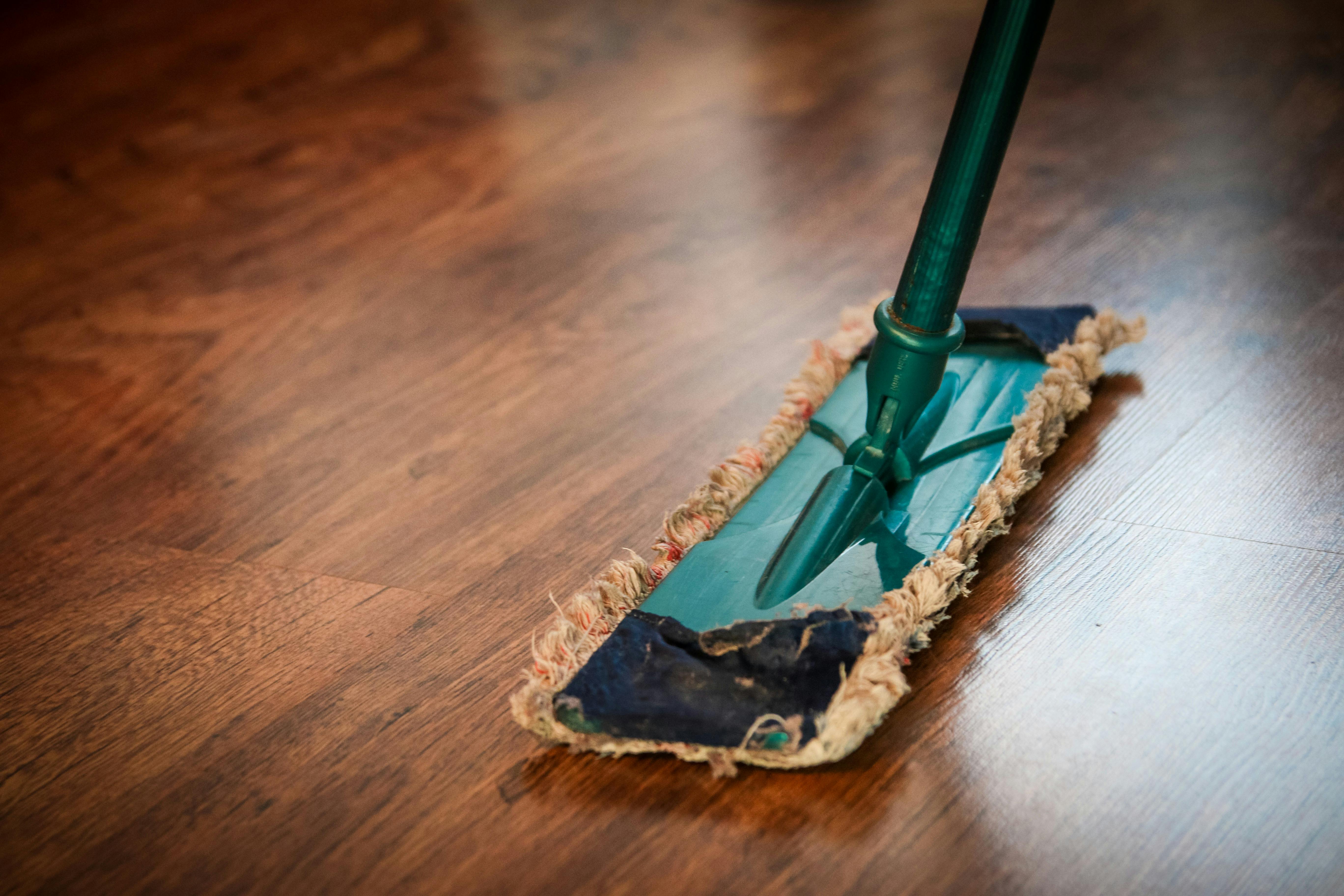
Preventive maintenance is one of the highest-return homeowner habits. Skipping it often leads to emergency repairs that cost many times more.
Here are a few quick things you can do to save money in the long run:
Flush your water heater annually to prevent sediment damage
Clean dryer vents yearly to avoid fires and efficiency loss
Seal small exterior cracks before water intrusion spreads
Why it matters: A $100 maintenance task can prevent a $5,000 system failure.
💡 Pro Tip: Set seasonal reminders so these tasks don’t get overlooked.
Hack #2: Energy Savings That Add Up Every Month
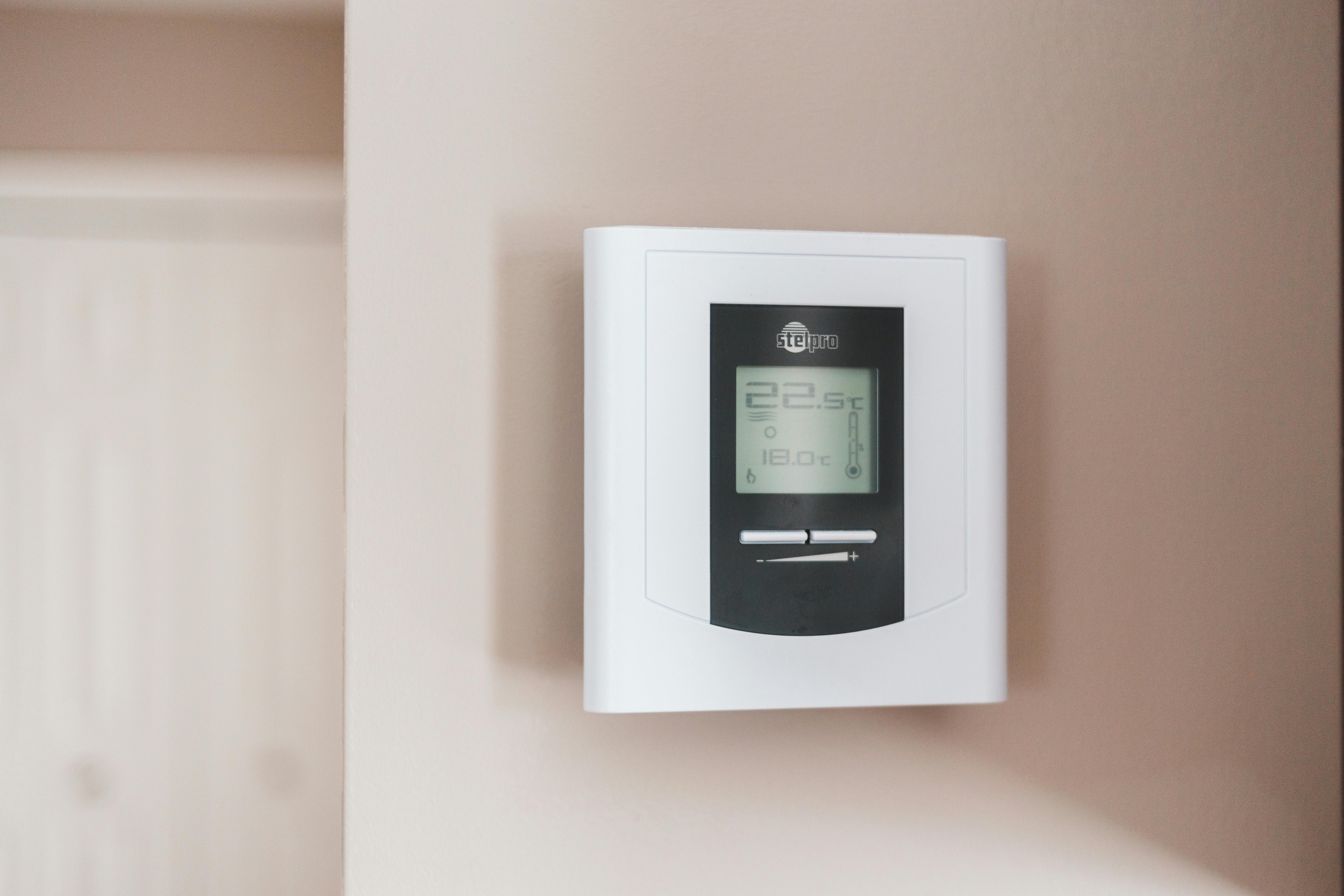
Energy costs quietly compound year after year. Small efficiency improvements often have surprisingly fast payback periods.
Add attic insulation where homes typically lose the most heat
Install a programmable or smart thermostat to avoid waste
Replace aging weatherstripping around doors and windows
Why it matters: Lower utility bills improve monthly cash flow and long-term affordability.
Hack #3: Smart DIY vs. Contractor Decisions

Not every project should be DIY—and not every project needs a contractor. Knowing the difference saves money and stress.
DIY: painting, landscaping, simple fixture swaps
Hire out: electrical panels, structural work, major plumbing
Why it matters: Mistakes on professional-level work often cost more than hiring help from the start.
💡 Pro Tip: If safety or permits are involved, it’s usually not a DIY project.
Hack #4: Timing Your Projects Strategically

When you do a project can be just as important as how you do it.
Schedule contractors in their off-season for better pricing
Buy materials during sales cycles, not emergencies
Why it matters: Rushed decisions almost always cost more.
Hack #5: Insurance and Tax Optimizations Homeowners Miss

Many homeowners overpay simply because they never revisit these areas.
Review your insurance coverage annually for unnecessary riders
Appeal property tax assessments if values seem inflated
Why it matters: These changes don’t affect your lifestyle but can free up thousands over time.
Hack #6: Upgrade Only Where ROI Makes Sense
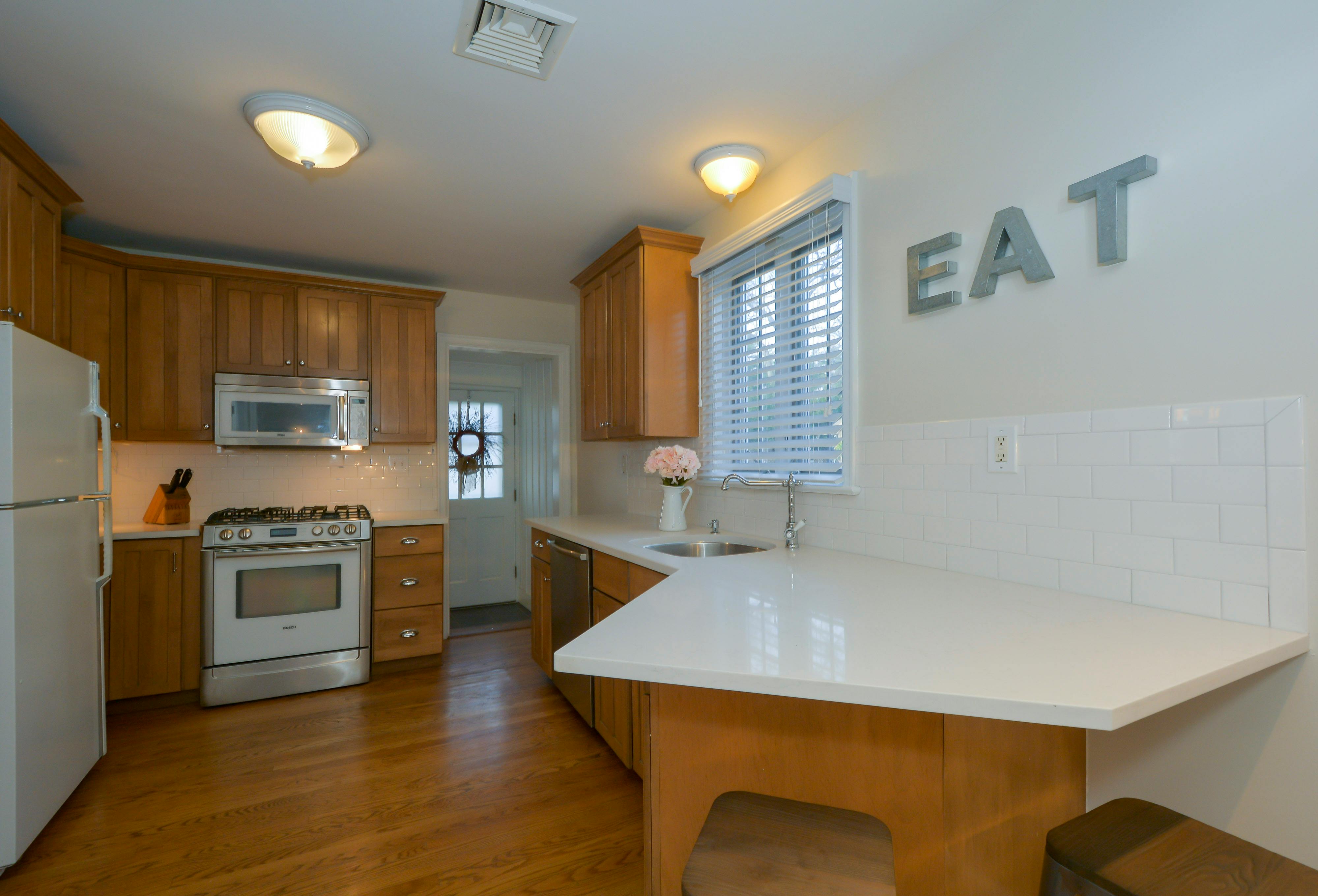
Not all upgrades increase value or savings equally.
Focus on kitchens, bathrooms, insulation, and HVAC efficiency
Avoid ultra-custom features that don’t appeal broadly
Why it matters: High-ROI improvements protect both resale value and livability.
💡 Pro Tip: Think “durable and efficient” over “trendy and expensive.”
Hack #7: Reduce Monthly Debt Pressure Through Smarter Financing

Your home costs aren’t just repairs and utilities—financing choices matter too.
Consider reviewing your refinance options with your preferred lender
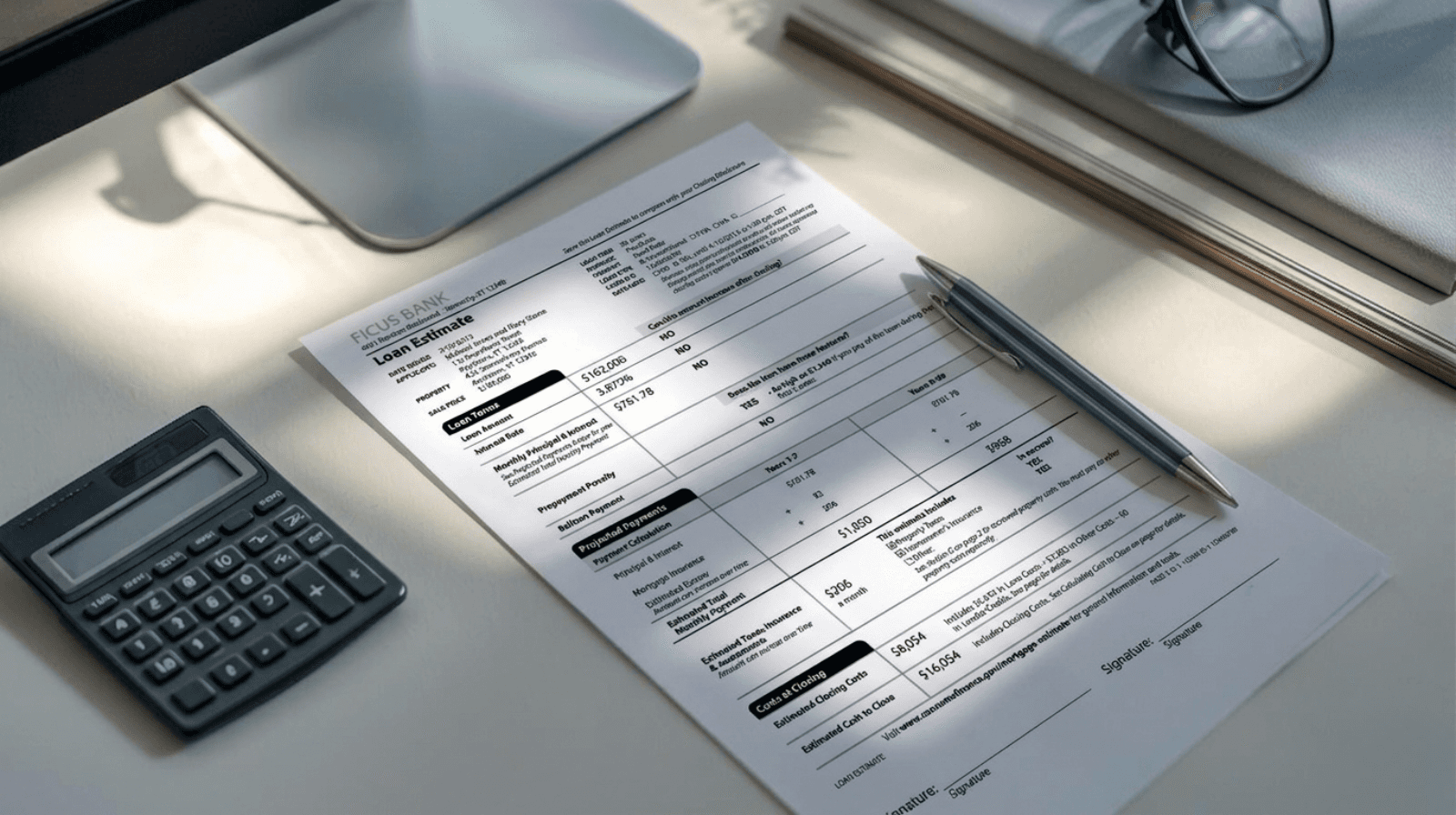
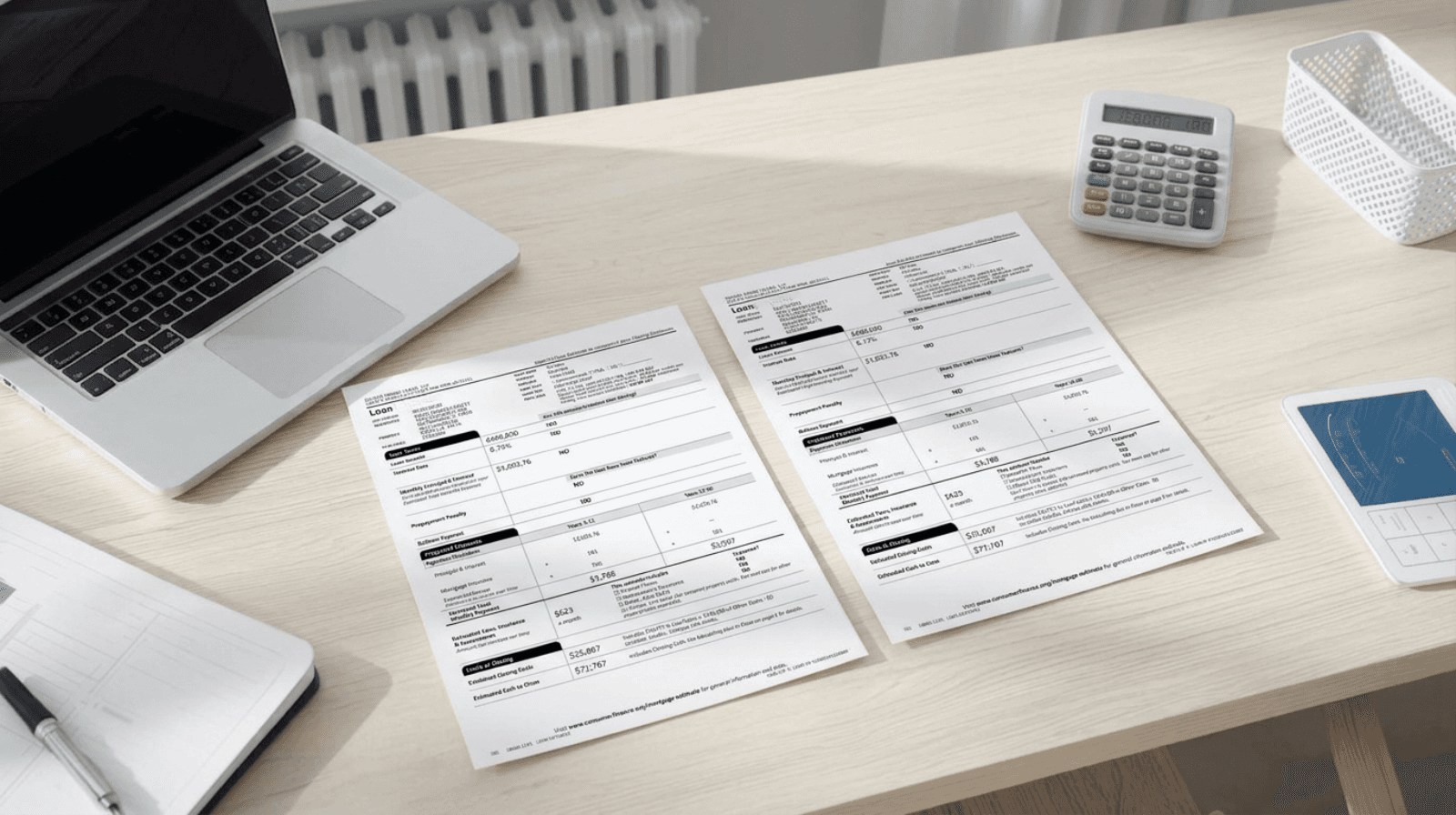
Upload the provided Loan Estimate to Fincast to see how your options compare
Determine if refinancing could reduce your monthly payments or overall costs
Why it matters: Even a slightly lower rate may save you hundreds per month and thousands over the loan term.
Actual savings and eligibility depend on your credit profile, loan terms, and market conditions.
Step-by-Step Framework: How to Apply These Hacks
List your home’s top three cost areas (energy, repairs, debt)
Tackle preventive maintenance first
Make one energy upgrade with clear savings
Delay cosmetic upgrades that don’t add value
Revisit insurance, taxes, and financing annually
See if refinancing your mortgage makes sense
Always prioritize safety and realistic timelines.
FAQs
What are the best homeowner hacks to save money?
The best homeowner hacks focus on preventive maintenance, energy efficiency, and smart financing decisions that reduce long-term costs.
Do small home upgrades really save money?
Yes. Small upgrades like insulation and thermostats often reduce monthly bills and prevent costly repairs.
Is DIY always cheaper for homeowners?
DIY is cheaper for low-risk tasks, but professional work is often safer and cheaper long-term for complex projects.
How can homeowners reduce monthly housing costs?
Homeowners can reduce costs by improving efficiency, eliminating PMI, refinancing wisely, and avoiding emergency repairs.
Which home improvements have the best return?
Improvements tied to efficiency, durability, and core living spaces typically deliver the strongest return.
How often should homeowners review costs?
At least once a year to catch savings opportunities before costs creep higher.
Bottom Line
Smart homeownership isn’t about doing everything—it’s about doing the right things at the right time. These homeowner hacks help you protect your budget, your home, and your long-term financial stability, one step at a time.
💡 Pin this guide to keep these hacks handy for your next project!
Disclaimer: Nothing in this content should be considered financial advice. The examples and data shared are for general information only and may not reflect your personal situation. We do not guarantee the accuracy or completeness of the information provided. Always do your own research and speak with a qualified financial advisor before making any financial decisions.
Ready to Save On Your New Mortgage?