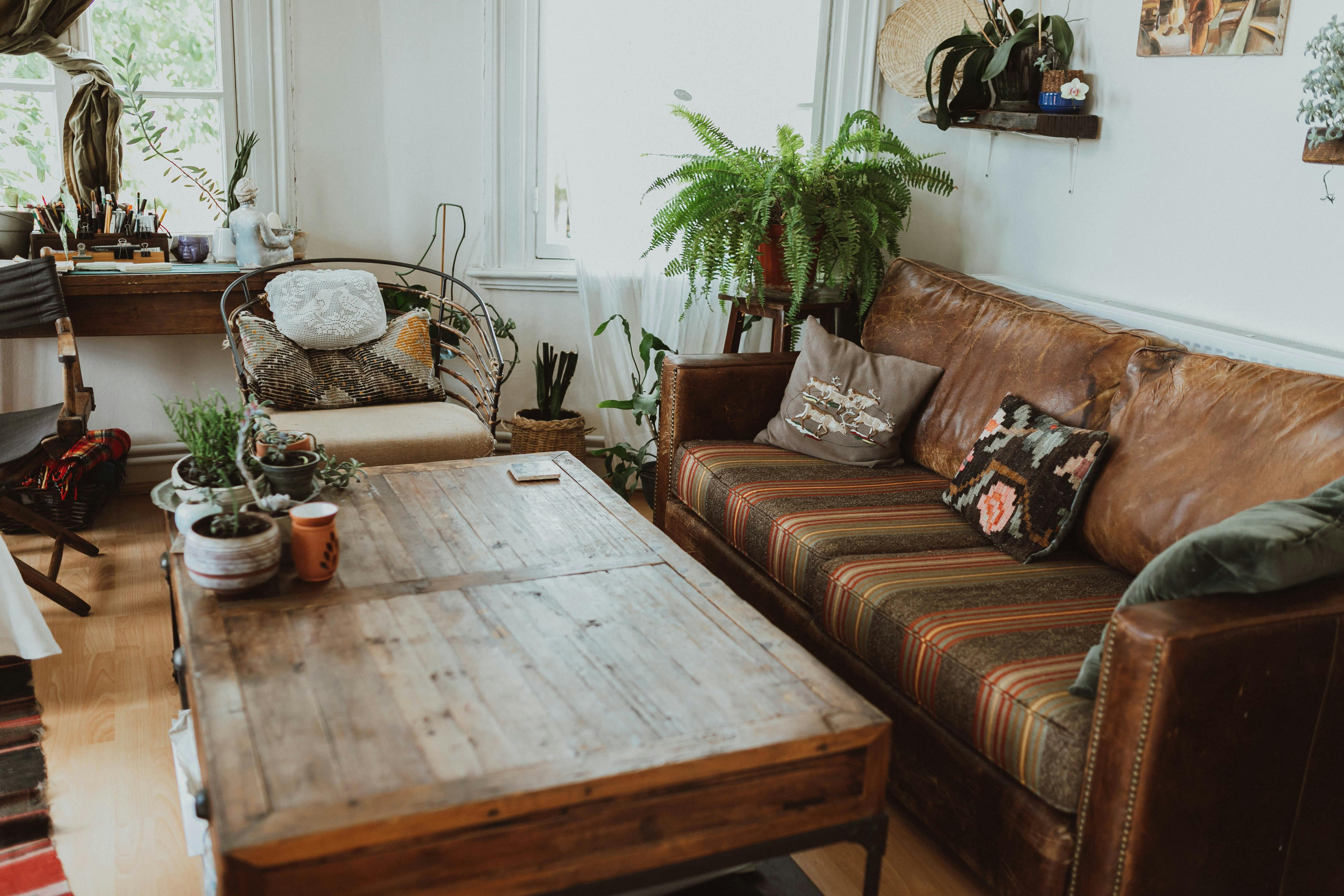
A home can be clean and updated and still feel “off.” Often, it’s not about how much money you spend—it’s about how design choices work together. Certain common decorating mistakes quietly cheapen a space, even when the pieces themselves aren’t inexpensive.
The good news is that most of these issues are easy to fix once you know what to look for. This guide breaks down the most common design mistakes homeowners make and how to avoid them without overspending.
Key Takeaways
Expensive items can still look cheap if design basics are ignored
Scale, lighting, and layout matter more than brand names
Overdoing décor is just as harmful as under-decorating
Consistency creates a more polished, intentional look
Many “cheap-looking” mistakes are free to fix
Mistake #1: Furniture That’s the Wrong Scale

Furniture that’s too small or too large instantly throws off a room. Undersized sofas, tiny rugs, or oversized sectionals make spaces feel awkward and unfinished.
Common signs:
Area rugs that don’t reach under furniture
Sofas dwarfed by empty wall space
Overcrowded rooms with bulky pieces
Why it matters: Proper scale creates balance, which reads as quality and intention.
Mistake #2: Pushing All Furniture Against the Walls
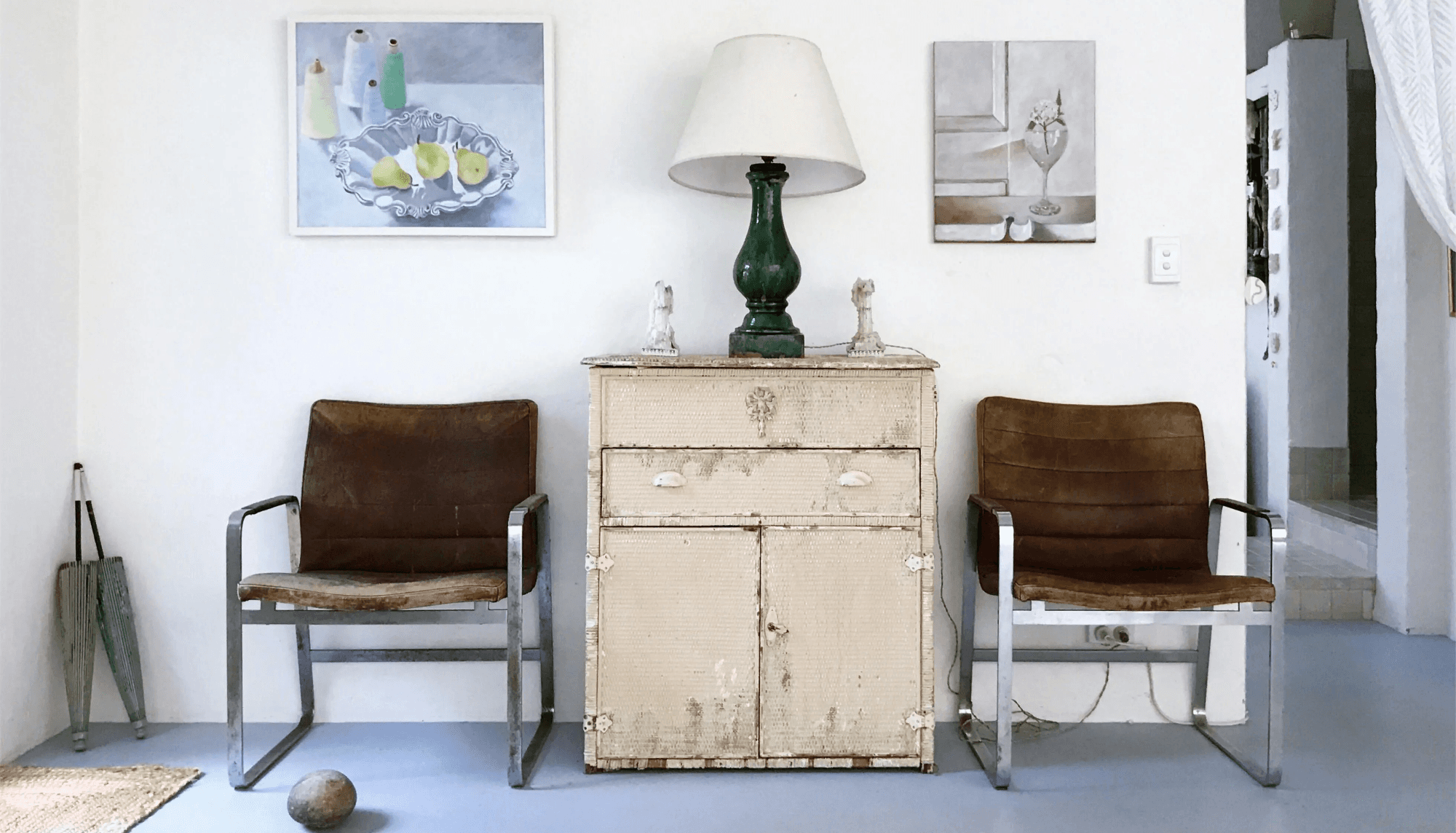
This is one of the most common beginner design habits. While it feels safe, it often makes rooms feel empty and awkward.
Better approaches:
Float sofas to define conversation areas
Use rugs to anchor furniture groupings
Leave intentional negative space
💡 Pro Tip: Even moving furniture a few inches away from the wall can dramatically improve a room.
Mistake #3: Cheap or Insufficient Lighting

Lighting is one of the fastest ways to make a home look cheap when done poorly.
Red flags include:
One harsh overhead light per room
Cool-toned bulbs in living spaces
No task or accent lighting
💸The budget reality: Proper lighting isn’t expensive. For example a good floor lamp costs $80-$150. The fixes are affordable — it’s finding room in your monthly budget that’s hard. When cash flow is tight, even small upgrades get postponed indefinitely.
Mistake #4: Matching Everything Too Perfectly
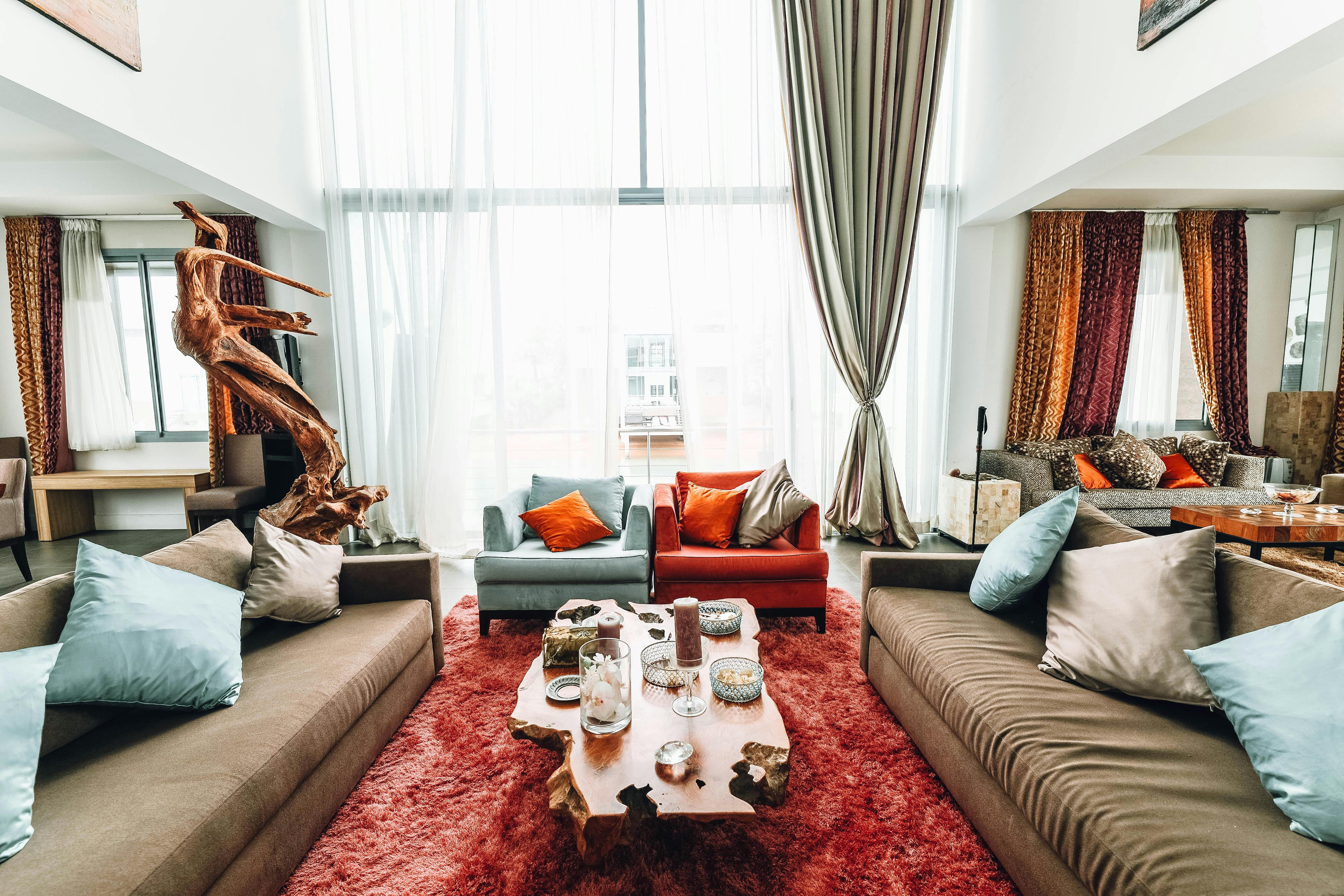
Perfectly matched furniture sets and décor packages often look flat and impersonal.
Instead:
Mix materials (wood, metal, fabric)
Vary shapes and finishes
Keep a consistent color palette, not identical pieces
Homes feel higher-end when they look collected over time, not bought all at once.
Mistake #5: Ignoring Window Treatments (or Choosing the Wrong Ones)
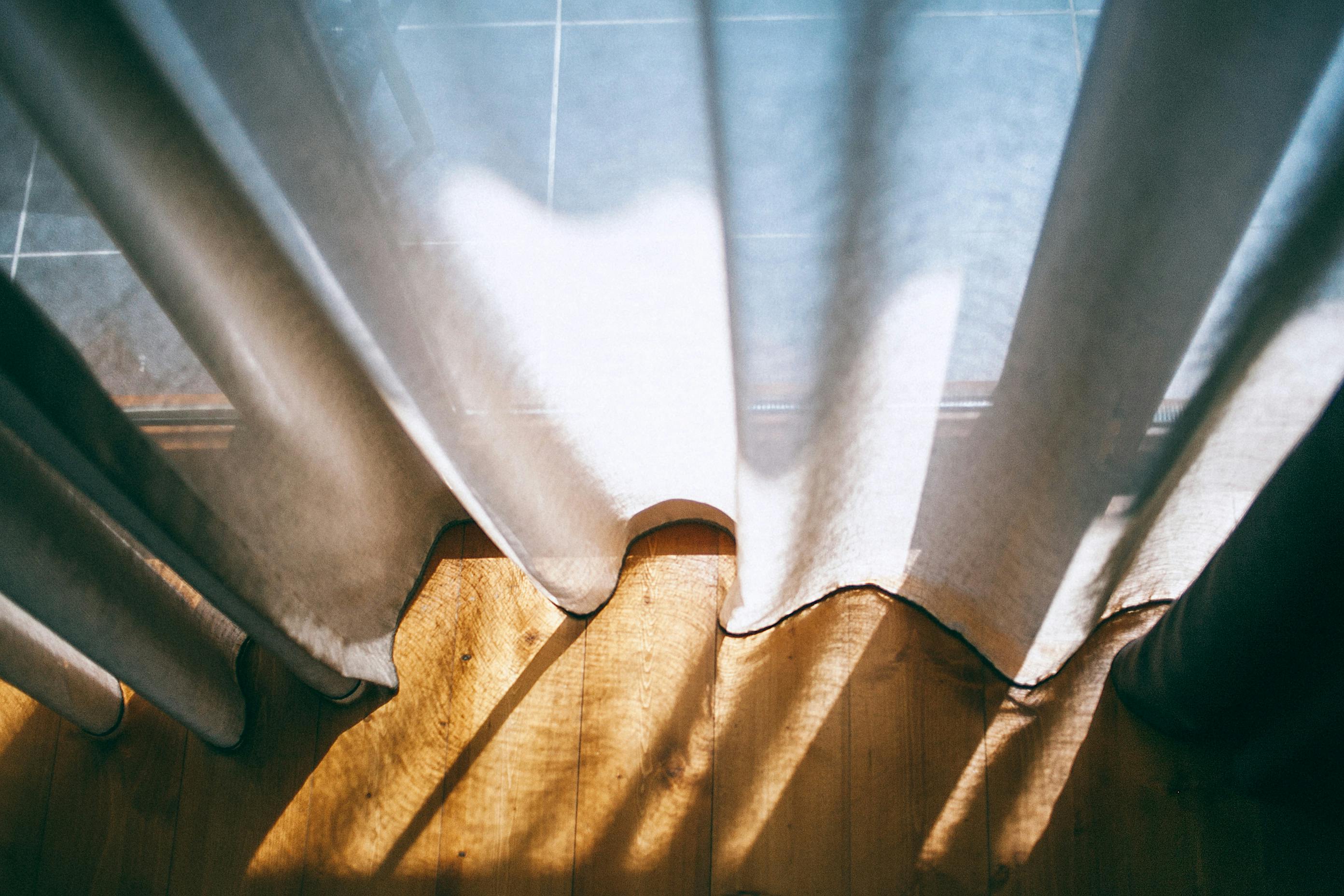
Bare windows or poorly hung curtains cheapen a room faster than most people realize.
Common issues:
Curtains hung too low
Panels that are too short or narrow
Cheap blinds with no layering
💡 Pro Tip: Hang curtains higher and wider than the window to make ceilings feel taller.
Mistake #6: Overcrowding With Décor and Accessories

Too many small items create visual clutter, which reads as messy rather than styled.
Watch out for:
Overloaded shelves
Too many throw pillows
Excess tabletop décor
Why it matters: Fewer, larger décor pieces usually look more intentional and refined.
Mistake #7: Poor Color Coordination

Random colors with no clear plan make spaces feel chaotic.
Common mistakes:
Too many bold colors in one room
No repeating tones for cohesion
Ignoring undertones
💡 Pro Tip: A simple, repeatable color palette makes even budget décor look intentional.
Mistake #8: Cheap Materials in High-Visibility Areas
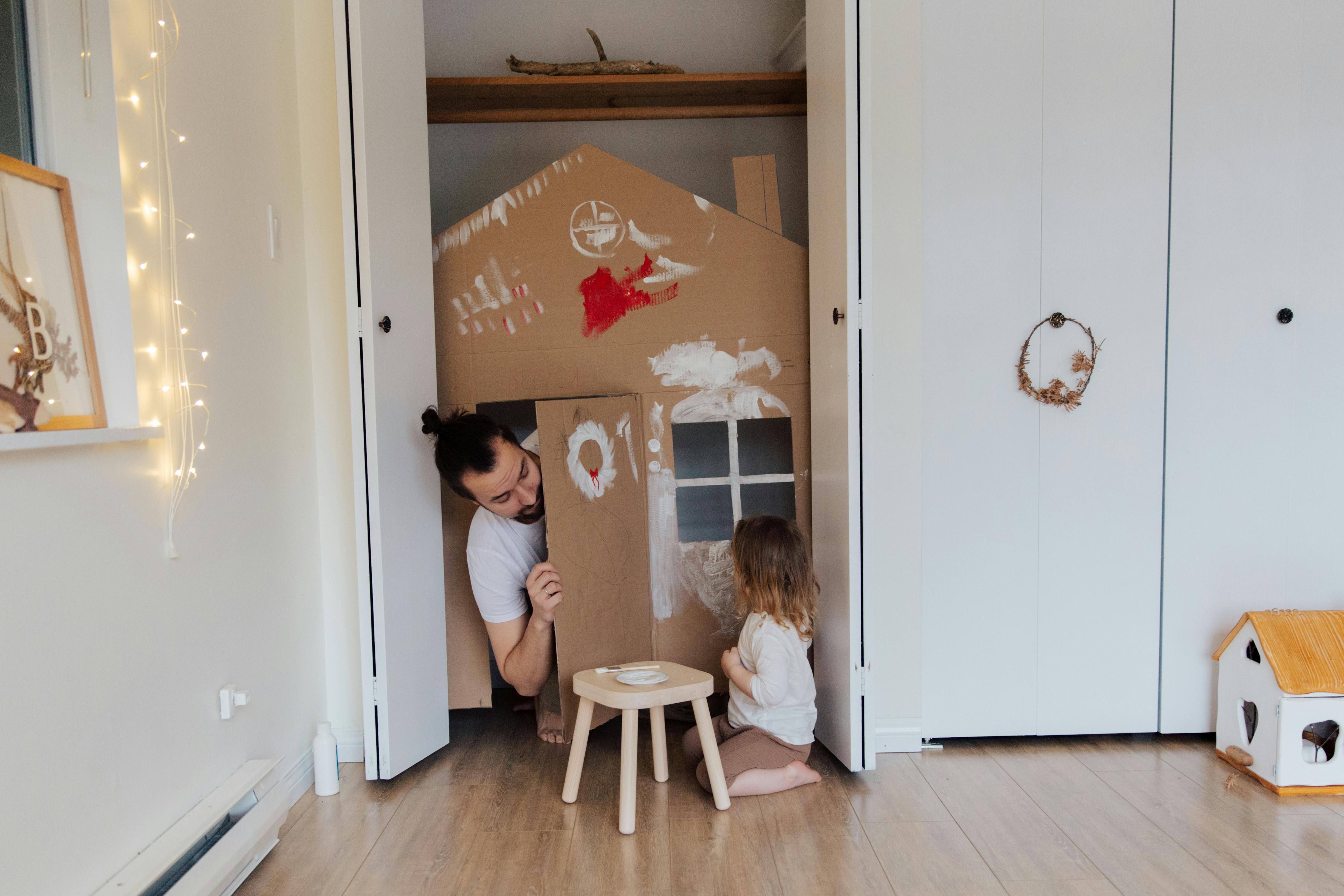
Some materials wear poorly or look dated quickly, especially in prominent spaces.
Examples:
Thin laminate in focal areas
Shiny plastic finishes
Low-quality peel-and-stick used improperly
💡 Pro Tip: High-visibility areas (entryway, kitchen backsplash, fireplace surround) benefit most from investing in quality materials. Budget-friendly options work better in low-traffic spots.
Mistake #9: Artwork Hung Incorrectly
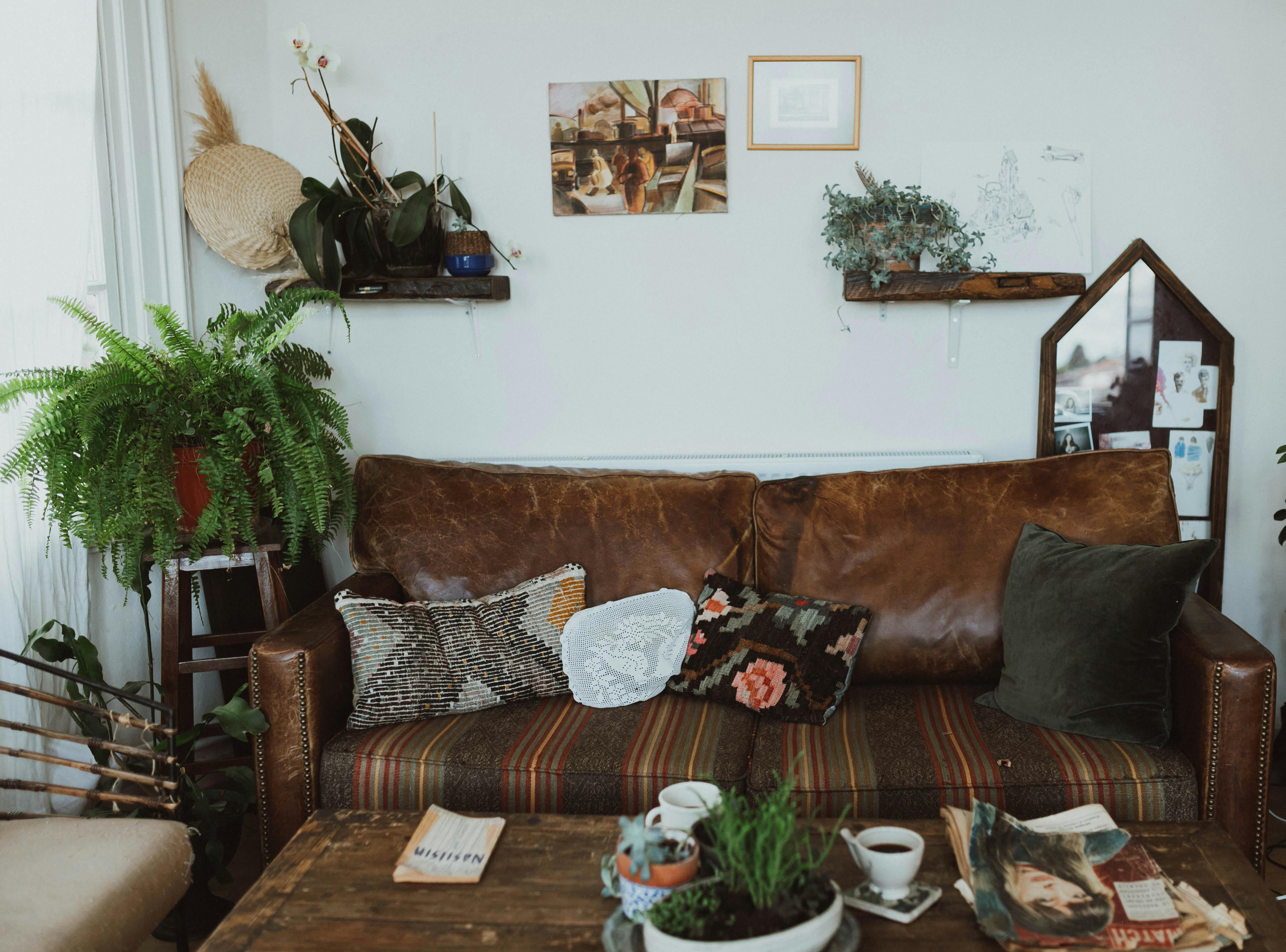
Art placement is often overlooked but highly noticeable.
Common issues:
Art hung too high
Tiny pieces on large walls
No relationship to nearby furniture
💡 Pro Tip: Artwork generally looks best when its center is near eye level or visually connected to furniture.
Mistake #10: Ignoring Flow and Function
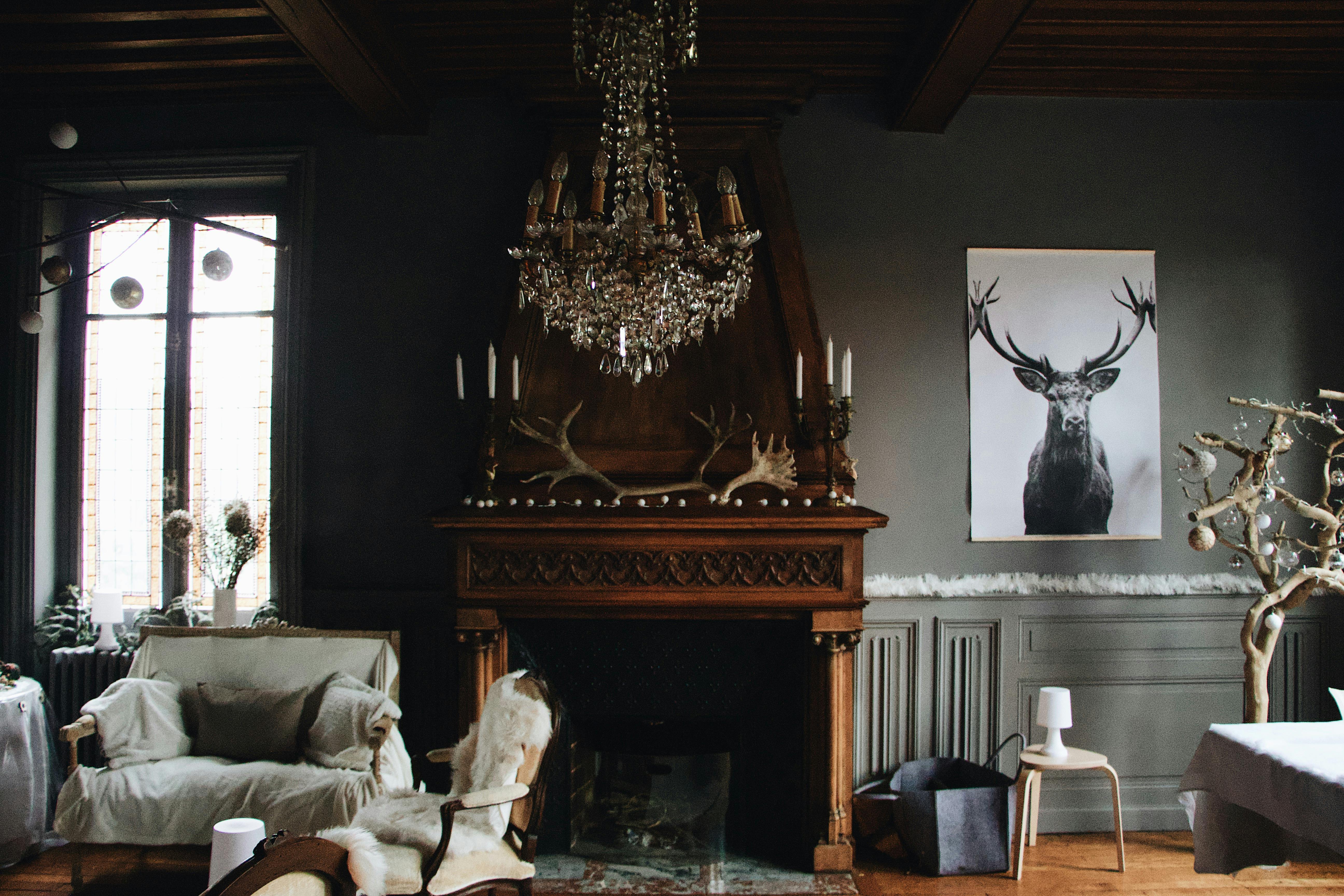
Even beautiful rooms feel cheap if they don’t function well.
Signs of poor flow:
Blocked walkways
Awkward furniture placement
Rooms that don’t match how they’re used
Why it matters: Design that supports daily life always feels more polished.
How to Fix These Mistakes
Remove excess décor and reassess the space
Check furniture scale and spacing
Improve lighting with at least two sources per room
Simplify the color palette
Adjust the curtain height and width
Edit, don’t replace, whenever possible
Focus on fixes that cost little but improve balance and function.
Common Red Flags to Watch For
Buying décor before measuring
Choosing trends over durability
Ignoring lighting plans
Filling every empty surface
Rushing to “finish” a room
FAQs
What makes a house look cheap inside?
Poor lighting, furniture that's too small or too large, clutter, and mismatched colors are among the most common reasons a home looks cheap.
Can expensive furniture still look cheap?
Yes. Without proper layout, lighting, and balance, even high-end furniture can feel underwhelming.
How do I make my home look more expensive?
Focus on lighting, scale, cohesive colors, and editing clutter before buying anything new.
Are matching furniture sets bad?
They aren’t always bad, but they often make rooms feel flat and less personalized.
Does lighting really matter that much in design?
Yes. Lighting dramatically affects how materials, colors, and spaces are perceived.
What if I can’t afford the “right” fixes?
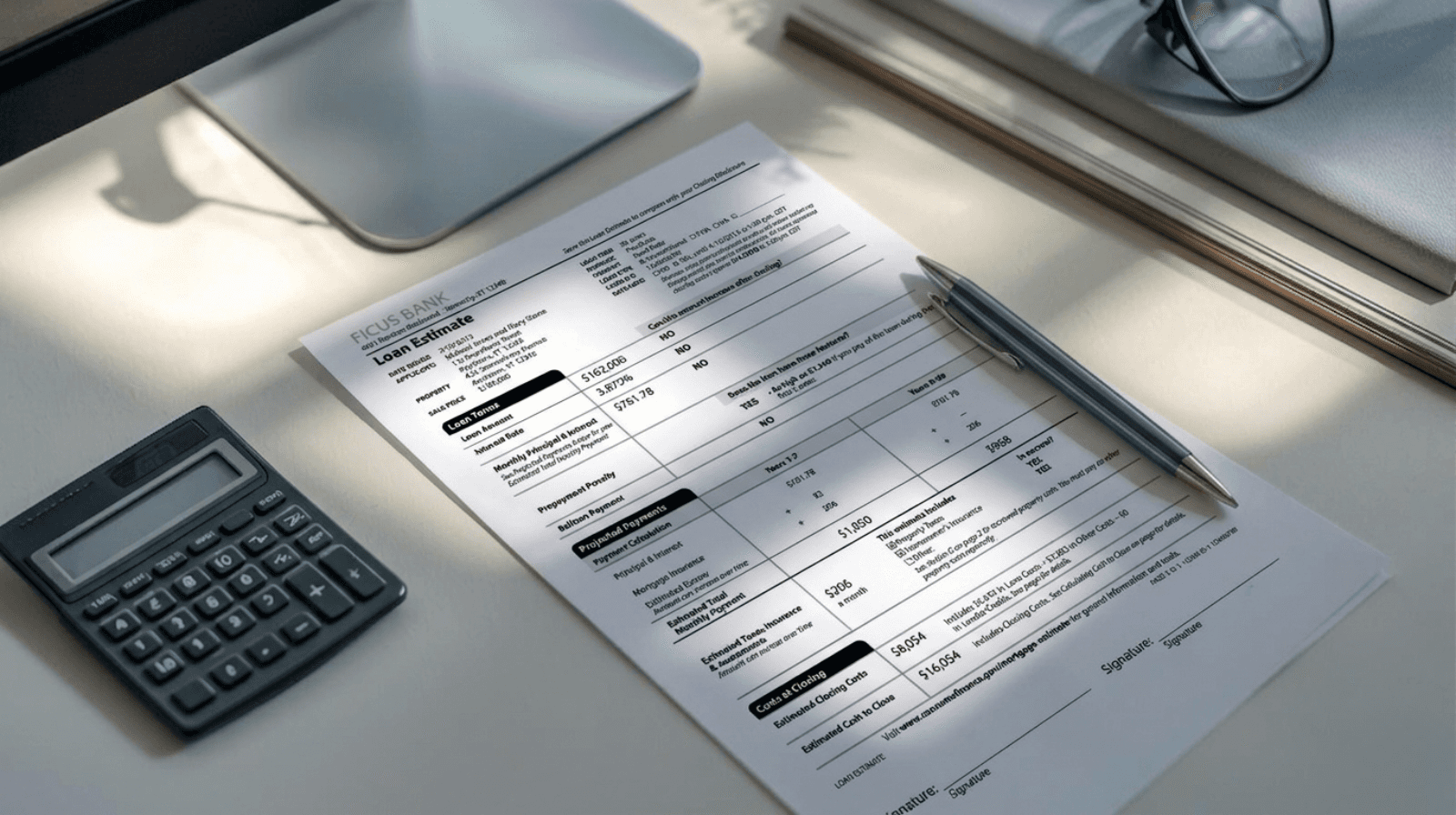
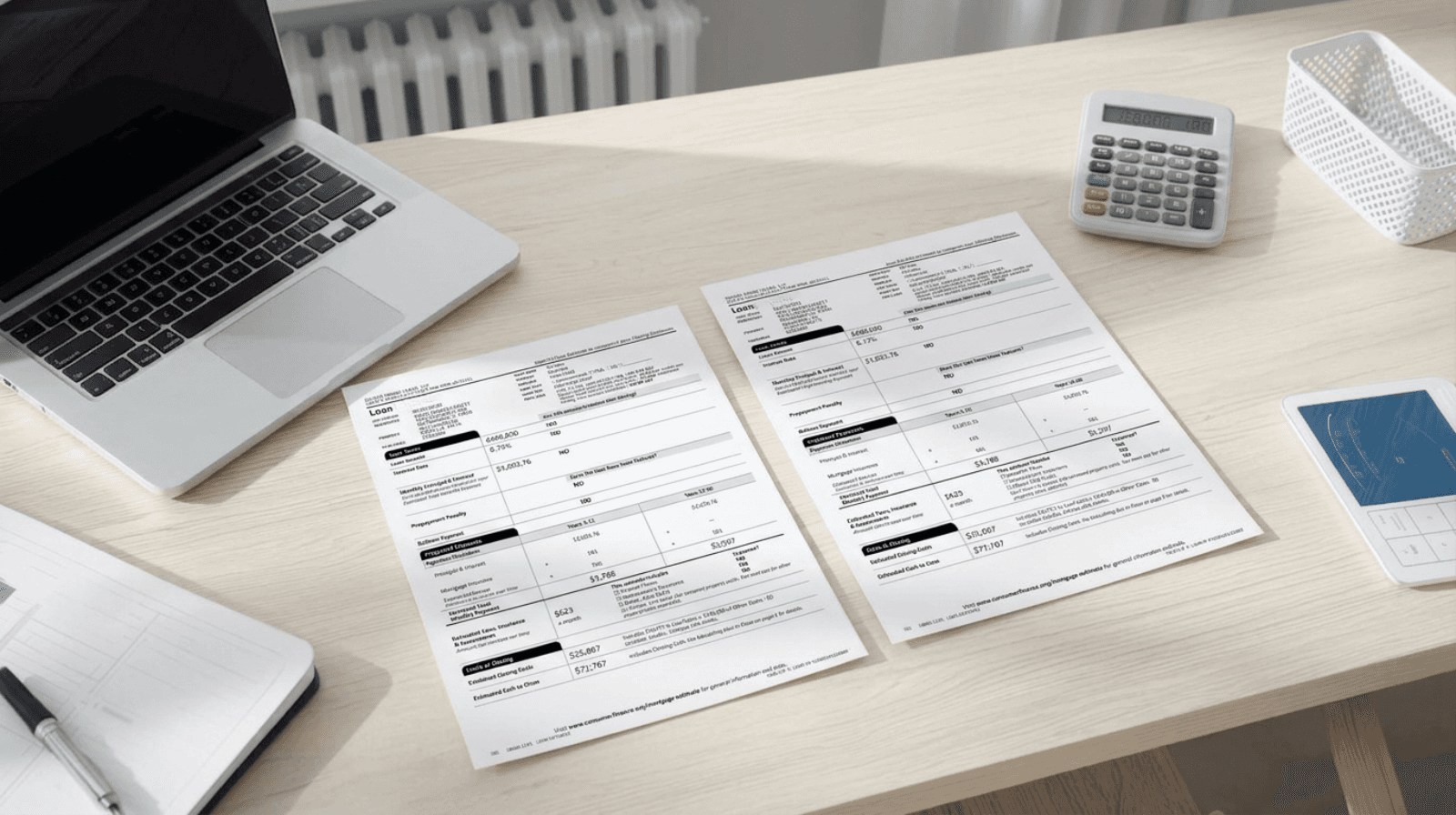
Many of these fixes cost less than $100, but some do cost more. The bigger issue is usually cash flow, not total budget. If you’re refinancing soon, tools like Fincast can help you compare Loan Estimates to make sure you’re not overpaying. The extra $100-$200 you save per month can add up to real design budget over time.
When “Just Save More” Isn’t the Answer
You know these fixes aren’t expensive individually. So why does it still feel impossible to make them happen?
If you’re constantly choosing cheaper options because the budget is tight, here’s a question worth asking: Where is your money actually going?
For homeowners with mortgages locked in 2-5+ years ago, rates may have dropped significantly—or you might qualify for better terms now. Even $150/month in savings compounds over a year into real design budget.
If you're curious whether refinancing makes sense:
Request a Loan Estimate from your preferred lender
Use a tool like Fincast to verify you’re getting competitive rates (no extra credit check needed)
Decide with actual numbers, not sales pitches
Not everyone will save money. But if you're stuck in the compromise cycle, it's worth 20 minutes to rule out the possibility that you're overpaying every single month.
Disclaimer: Nothing in this content should be considered financial advice. The examples and data shared are for general information only and may not reflect your personal situation. We do not guarantee the accuracy or completeness of the information provided. Always do your own research and speak with a qualified financial advisor before making any financial decisions.
Ready to Save On Your New Mortgage?